Vaporizers
15 guides tagged Vaporizers
Review
Vicks Warm Steam Vaporizer (V150) Review: Still the One to Buy
The V150 is the best-selling thing Americans call a vaporizer, it costs $19.79, and after working through what it actually does and does not do, it is still the unit we point most people toward. It boils water into true steam, it takes VapoSteam in a medicine cup, it has no filter to buy, and it is the only category where a $20 device is not a compromise. It is also the unit with the burn risk, which is the whole reason the rest of this page exists.
Read the guide →~11 min read
Review
Vicks VapoSteam Review: What It Is, and Which Units It Fits
VapoSteam is the $9.98 bottle of medicated liquid that gives a Vicks vaporizer its point. It goes in the medicine cup of a steam vaporizer, never in the tank, and never in an ultrasonic humidifier. Here is what is in it, which machines actually accept it, how it compares to VapoPads, and the compatibility mistake that ruins humidifiers every winter.
Read the guide →~9 min read
Explainer
Vaporizer vs Nebulizer: Two Very Different Machines
A nebulizer is a medical device that turns prescribed liquid medication into an aerosol fine enough to be inhaled into the lungs, obtained and used under a clinician's direction. A vaporizer is a household appliance that puts water vapor into a room to make dry air more comfortable. They are not competing products and one is never a substitute for the other. Here is the distinction in full, why the mix-up is dangerous rather than merely confusing, and what a vaporizer or steam inhaler can legitimately do while you are waiting on care.
Read the guide →~8 min read
Explainer
Vaporizer vs Humidifier: What the Difference Actually Is
A vaporizer boils water and releases hot steam. A humidifier releases mist that is cool, or warmed and then cooled before it leaves the machine. That single mechanical difference decides everything else: burn risk, filters, noise, what you can add to the water, how much it costs to run, and which one belongs in a nursery. This is the full decision, with a side-by-side table, the running-cost math, and the specific unit to buy for a cold, a baby, and a dry winter bedroom.
Read the guide →~11 min read
Explainer
Is a Vaporizer Good for a Cough? An Honest Answer
A vaporizer can make a cough more bearable and it does not make a cough go away. That is the whole answer, and most of the internet will not give it to you straight. Added humidity genuinely helps a dry, raw, irritated airway feel better, especially in a house dried out by winter heating, and medicated steam adds a sensation of an open nose that many people find worth the twenty dollars. What the evidence does not support is that any of it shortens an illness. Here is what humidity actually does, what it does not, when a cough is a reason to call a doctor instead of shop, and how to set a unit up safely.
Read the guide →~10 min read
Explainer
How to Use a Vicks Vaporizer (2026): The Complete Method
Fill it with water, add a pinch of salt only if the steam is weak, put VapoSteam in the medicine cup and never in the tank, set it on the floor about four feet from the bed and out of reach, run it overnight, then empty and rinse it every morning and descale it with white vinegar once a week. That is the whole method. This page explains why each step exists, including the salt instruction that confuses more owners than anything else in the category.
Read the guide →~10 min read
Explainer
How to Clean a Vaporizer: The Routine That Keeps It Working
Empty and dry the tank every day, descale with white vinegar every week, sanitize on the schedule in your manual, and replace wick filters on time. That is the whole routine, and it is the difference between a machine that helps you sleep and a warm reservoir of standing water quietly distributing whatever grew in it overnight. Here is the daily and weekly procedure, the extra step steam vaporizers need on their electrodes, what to use and what never to mix, and the point at which a unit is finished rather than dirty.
Read the guide →~10 min read
Explainer
How to Choose a Vaporizer: A Decision Guide by Problem
Do not start from the product. Start from the problem, because the word vaporizer covers at least six different machines and picking the wrong category is how people end up with a device that cannot do the thing they bought it for. Cold and congestion, a baby's room, a dry bedroom all winter, blocked sinuses, dry skin, a room that should smell like eucalyptus, and dry herb are seven different jobs with seven different answers. This routes you to the right one in about two minutes, with the specific unit and the live price at the end of each path.
Read the guide →~10 min read
Explainer
How Does a Vaporizer Work? The Mechanics, Explained
A steam vaporizer passes electric current between two electrodes through the water itself, which boils it and vents steam. That is a genuinely different machine from a warm-mist humidifier with a heating element, from an ultrasonic unit that shears water into fog with a vibrating disc, and from an evaporative unit that simply blows air through a wet filter. Understanding which of those four is inside the box explains everything you will ever wonder about your unit: why it needs salt, why it dusts your furniture, why it stopped making steam, and why one of them belongs nowhere near a crib.
Read the guide →~11 min read
Explainer
Distilled vs Tap Water in a Vaporizer: What to Use
Use distilled or demineralized water in an ultrasonic cool-mist humidifier, and use ordinary tap water in an electrode steam vaporizer. That is not a contradiction, it is two opposite mechanisms: an ultrasonic unit atomizes whatever is dissolved in the tank and sprays it around your bedroom as white dust, while a steam vaporizer needs those same dissolved minerals to conduct the current that boils the water. Here is which machine takes which water, what the long-standing federal consumer guidance actually says, and honest math on what running distilled costs per night.
Read the guide →~9 min read
Explainer
Can You Use Tap Water in a Humidifier? An Honest Answer
It depends entirely on which machine you own, and most advice online fails because it answers for only one of them. In an ultrasonic cool-mist unit, tap water is the source of white dust and transducer scale, and public guidance is consistent in recommending distilled or demineralized water. In an evaporative unit, tap water is fine because the wick keeps the minerals. And in an electrode steam vaporizer, tap water is required, because distilled water has nothing in it to carry the current that makes the steam.
Read the guide →~9 min read
Explainer
Can You Put Vicks in a Humidifier? What Goes Where
No, not VapoRub, not in the tank of any humidifier or vaporizer. It is a petroleum-based ointment, it does not disperse in water, it coats and can damage the components it touches, and Vicks itself says not to. What you can use is the product built for the job: VapoSteam liquid in the medicine cup of a steam vaporizer, VapoPads in a unit with a scent pad slot, and essential oils only in a humidifier that provides a dedicated oil tray. Here is the complete what-goes-where, product by product, plus what to do if you already put the wrong thing in.
Read the guide →~9 min read
Buyer's Guide
The Best Vaporizers (2026): One Word, Five Different Machines
Buy the Vicks Warm Steam Vaporizer V150 at $19.79. It is the machine almost everyone means when they type "vaporizer": the warm steam unit you run beside a bed during a cold. If you meant something else, this guide names the pick for every other meaning of the word, from the Levoit LV600S at $109.00 to the Vicks Sinus Inhaler at $42.98. Prices verified live via the Amazon Creators API on September 5, 2026.
Read the guide →~13 min read
Buyer's Guide
The Best Vaporizer for Colds and Congestion (2026)
Buy the Vicks Warm Steam Vaporizer V150 at $19.79. It boils water into steam, takes VapoSteam in its medicine cup, and the maker states about 24 hours per fill, which covers a whole miserable night. If steam is not the right shape for your problem, we name the five alternatives below. Prices verified live via the Amazon Creators API on September 5, 2026.
Read the guide →~11 min read
Buyer's Guide
Best Humidifier Cleaner (2026): Keep the Tank Safe
Buy BestAir 3BT bacteriostatic treatment at $22.90 for two 32 oz bottles. It is the treatment that slows what grows in a tank between cleanings, which is the actual failure mode of every humidifier. It does not replace descaling with white vinegar, and nothing replaces emptying the tank. Prices verified live via the Amazon Creators API on September 5, 2026.
Read the guide →~12 min read
Our top-rated vaporizers
Whatever you decide, these are the picks we recommend across every category, ranked on verified output and value. Live price check on each.


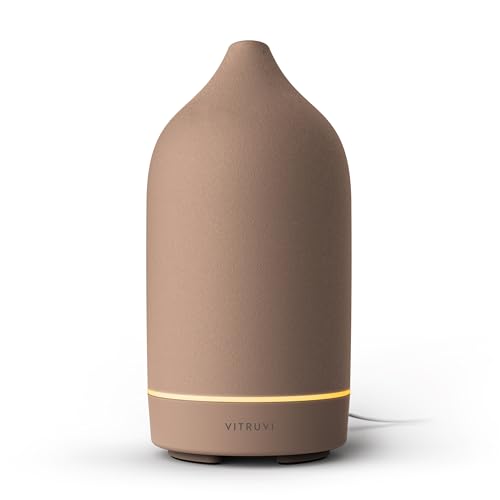
As an Amazon Associate we earn from qualifying purchases, at no cost to you.