Our Pick: Vicks
Check price on Amazon →Can You Put Vicks in a Humidifier? What Goes Where
No, not VapoRub, not in the tank of any humidifier or vaporizer. It is a petroleum-based ointment, it does not disperse in water, it coats and can damage the components it touches, and Vicks itself says not to. What you can use is the product built for the job: VapoSteam liquid in the medicine cup of a steam vaporizer, VapoPads in a unit with a scent pad slot, and essential oils only in a humidifier that provides a dedicated oil tray. Here is the complete what-goes-where, product by product, plus what to do if you already put the wrong thing in.
By The Vapor Reviews DeskUpdated 2026-09-05~9 min read Ranked on verified output, never box claimsHow we research
The answer to the exact question people type is no. Vicks VapoRub, the ointment in the blue jar, does not go in the water tank of a humidifier, an ultrasonic diffuser, a steam vaporizer, or anything else with a tank. It is petroleum-based, so it does not dissolve or disperse in water the way an additive would. It coats the inside of a tank, works its way into misting components, and on an ultrasonic unit it can foul the transducer disc that makes the whole machine work. Vicks says not to do it, the humidifier manufacturers say not to do it, and doing it anyway is a common way to void a warranty and shorten a machine's life in one night.
The frustrating part is that the underlying instinct is right. People want the medicated-vapor sensation and they reach for the product they already own. The good news is that the sensation has a purpose-built product for every kind of machine: a liquid for steam vaporizers with a medicine cup, a pad for units with a pad slot, and, if what you actually want is a room that smells like eucalyptus rather than a menthol effect, an essential oil in a unit that provides a tray for it. What you must not do is improvise across categories, because the tank of an ultrasonic humidifier is the one place none of these belong.
This page is organized as a lookup. Find your machine, find the product, and you will know whether it goes in, where it goes, and what happens if it does not belong there. As always on this site, the framing is comfort rather than treatment: medicated vapor produces a strong sensation of clearer breathing and does not treat, cure or shorten anything.
The short version
- VapoRub (the ointment) never goes in any tank, on any machine. Petroleum-based, does not disperse, coats and can damage components, and the maker says no.
- VapoSteam ($9.98 for 8 oz) is the liquid inhalant designed for the medicine cup of a steam vaporizer. It goes in the cup, never in the tank.
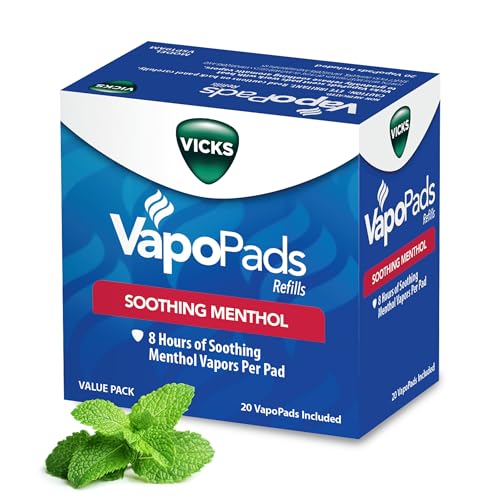
- VapoPads ($14.97 for 20) are scent pads for units with a dedicated pad slot, such as the Vicks Sinus Inhaler and the V150 night-light variant. They never go in water.
- Essential oils go only in a humidifier with a dedicated essential-oil tray, such as the Levoit 3 L cool mist at $43.99, or in an actual diffuser. Never in a plain tank.
- Ultrasonic humidifiers are the strictest case: water only, unless the maker explicitly provides an oil tray. Anything else gets atomized into the room and onto the transducer.
- If you already added the wrong thing: unplug, empty, wash the tank and base with warm soapy water, degrease anything oily, rinse thoroughly, and run a plain water cycle before using it again.
Our top-rated vaporizers
Whatever you decide, these are the picks we recommend across every category, ranked on verified output and value. Live price check on each.


As an Amazon Associate we earn from qualifying purchases, at no cost to you.
What you'll need
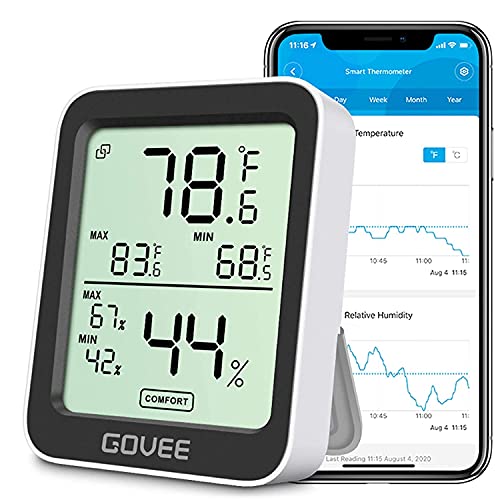
The six things that make a steam vaporizer or humidifier actually work for you: the medicated liquid and pads that turn steam into relief, the treatment and cleaning tools that keep the tank safe, and a meter so you know when the room is right. Prices are approximate at time of writing.



The what-goes-where table
Find your machine down the left, your product across the top. This is the whole answer in one place; the sections below explain the reasoning and the exceptions.
| Machine | VapoRub (ointment) | VapoSteam (liquid) | VapoPads (pads) | Essential oils |
|---|---|---|---|---|
| Steam vaporizer (V150 class) | No, never | Yes, in the medicine cup only | Only if the model has a pad slot | No, unless the manual says otherwise |
| Warm-mist humidifier (V745 class) | No, never | Yes, in the medicine cup only | Only if the model has a pad slot | No |
| Cool-mist ultrasonic | No, never | No, never in the tank | Only if the model has a pad slot | Only in a dedicated oil tray |
| Cool-mist evaporative | No, never | No | Only if the model has a pad slot | No, oil degrades wick filters |
| Essential-oil diffuser | No, never | No | No | Yes, this is what it is for |
| Steam inhaler (Vicks Sinus Inhaler) | No, never | Follow the manual for your model | Yes, in the pad slot | No |
The pattern underneath the table is simple: a medicated product goes in a compartment built to hold it, never in the water. A medicine cup, a pad slot, and an oil tray are three different compartments for three different products, and none of them is the tank.
Why VapoRub in a tank is a genuinely bad idea
VapoRub is an ointment in a petrolatum base. That base is the entire problem. Water and petrolatum do not mix, so it does not dissolve, disperse or evaporate the way a water-soluble additive would; it separates, floats, and coats. In a warm-mist or steam unit, that means a greasy film across the inside of the tank and heating chamber that is unpleasant to remove and traps scale and residue thereafter. In an ultrasonic unit, it is worse: the piezoelectric disc at the bottom of the reservoir has to be in direct contact with clean water to shear it into fog, and an oily coating on that disc reduces or stops output. Some units simply never work properly again.
There is also the plastic question. Humidifier tanks and gaskets are specified for water, and prolonged contact with oils and solvent-like compounds can cloud, soften or craze plastics and degrade seals over time. This is the reason essential oils get the same warning in most manuals, and it is why manufacturers void warranties for tank additives. Vicks' own guidance for VapoRub is topical use per the label, not use as a humidifier additive, and the humidifier makers are consistent with them.
VapoSteam: the right product, in the right compartment
Vicks VapoSteam at $9.98 for 8 ounces (verified via the Amazon Creators API on September 5, 2026) is the product people are actually reaching for when they try to put VapoRub in a machine. It is a liquid medicated inhalant, with camphor listed at 6.2 percent, formulated specifically for the medicine cup of a steam vaporizer, and there is a lavender version at the same price and a two-pack at $20.38.
It goes in the cup, not the tank. The medicine cup is a small well positioned beside the steam outlet so that vapor from the liquid is carried into the steam stream on its way out of the machine. Put the same liquid in the tank of a steam vaporizer and you are heating and boiling it rather than letting it evaporate off, which is not how the product is designed to be used and which leaves residue in a tank that is already prone to scale. Follow the amount printed on the bottle for your unit; we do not give dosing advice on this site and neither should any other website.
Which machines have a cup? The Vicks Warm Steam Vaporizer V150 at $19.79 does, and it is the reason to buy it; the V150 with an 8 oz VapoSteam bundle at $29.77 is the cheapest way in. The warm-mist Vicks V745 at $39.49 also carries a cup. A plain cool-mist ultrasonic humidifier does not, and no amount of wanting one will make its tank an acceptable substitute.
VapoPads: pads go in slots, never in water
Vicks VapoPads at $14.97 for a 20-pack are scent pads: small saturated pads that release menthol vapor when warmed in a dedicated slot. The range includes Plus sinus relief at $23.55, Plus intense menthol at $19.99, and Sleepy Time at $29.98. Prices verified via the Amazon Creators API on September 5, 2026.
The rule for pads is the simplest one on this page: they belong in a pad slot and nowhere else. Not floating in a tank, not tucked into a mist outlet, not taped to a warm surface. Units with a slot include the Vicks Sinus Inhaler at $42.98, which comes with a pad and is available bundled with 20 pads at $57.95, and the V150 night-light variant with a VapoPads slot at $34.76. Crane's warm mist unit at $29.99 has a vapor pad tray of its own. If your machine has no slot, pads are not an option for it, and improvising one is how residue ends up somewhere it cannot be cleaned out of.
Essential oils: only where the maker provides a tray
Essential oils are not water-soluble either, so the same physics apply and the same warning appears in most humidifier manuals. Oil in a plain ultrasonic tank sits on the surface, coats the transducer, and over time can attack plastics and seals. Oil in an evaporative humidifier soaks into the wick filter and degrades it, which is both a performance and a hygiene problem. Neither is a small risk you are trading for a benefit; the oil does not disperse well from a tank in the first place.
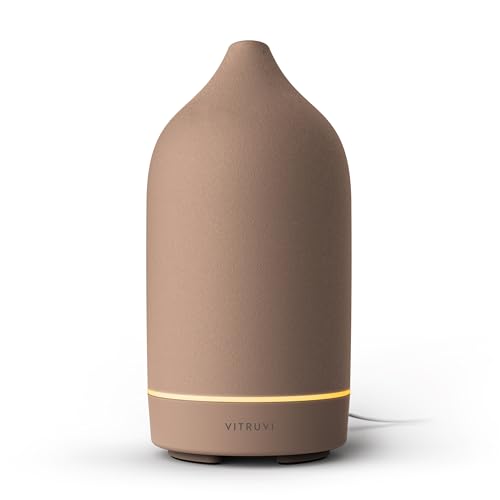
The correct approaches are two. First, a humidifier that provides a dedicated essential-oil tray, a separate compartment isolated from the water path where a few drops evaporate into the airstream. The Levoit 3 L cool mist with an essential oil tray at $43.99 is the clean example, and the Frida Baby 3-in-1 at $43.49 builds a diffuser function in alongside cool mist. Second, an actual diffuser, which is a machine designed from the ground up to atomize a water-and-oil mixture: the Vitruvi Stone at $129.99 or the ASAKUKI 500 mL at $19.99, with oils such as Plant Therapy Eucalyptus Globulus at $14.99.
Understand what you are buying, though: a diffuser is a fragrance appliance, not a humidity appliance, and it will not move a room's relative humidity meaningfully. The full distinction is in diffuser vs humidifier, and the oils worth having for congestion are covered in best essential oils for congestion. Prices verified via the Amazon Creators API on September 5, 2026.
You already put something in. Now what?
Do not panic, and do not keep running it. Unplug the unit and let it cool completely if it heats water. Empty the tank and base and discard the contents rather than trying to dilute them. Wash everything with warm water and a little dish soap, because dish soap is the correct tool for a petroleum or oil residue where vinegar is not; use a soft cloth or brush on the tank walls, the base well, and around any mist outlet. On an ultrasonic unit, clean the transducer disc gently with a soft cloth or a cotton swab and no abrasives, since that disc is the machine. Rinse thoroughly and repeatedly until no soap film or slickness remains, then run one full cycle of plain water in a room you do not mind before using it normally again.
If the unit will not mist afterward, the residue is probably still on the transducer or in the outlet path and the wash needs repeating. If it still will not mist after a careful second cleaning, the machine may not recover, which is the honest reason this page exists. And if you have been running oils or ointment in an evaporative unit, replace the wick filter outright rather than trying to clean it: a Honeywell Filter A 3-pack is $29.21. The full cleaning routine, including the weekly vinegar descale that is separate from this rescue procedure, is in how to clean a vaporizer.
Ready to buy? Start with our top picks
Whatever this guide steered you toward, here's where most readers land, ranked on verified output and value. Live price check on each.
As an Amazon Associate we earn from qualifying purchases, at no cost to you.
Key terms
- VapoRub
- Vicks' topical ointment in a petrolatum base. Intended for topical use per its label, not as a tank additive. Because it does not dissolve in water, it coats tanks, fouls ultrasonic transducers and can degrade plastics and seals.
- VapoSteam
- Vicks' liquid medicated inhalant with camphor at 6.2 percent, formulated for the medicine cup of a steam vaporizer. It goes in the cup so its vapor joins the steam stream, and it never goes in a tank or in a cool-mist unit.
- VapoPads
- Saturated menthol scent pads that release vapor when warmed in a dedicated pad slot. They go in the slot only, never in water, and only on machines built with a slot for them.
- Essential-oil tray
- A separate compartment on some humidifiers, isolated from the water path, where a few drops of oil evaporate into the airstream. It is the only place an essential oil legitimately belongs on a humidifier; a plain tank is not a substitute.
- Transducer
- The piezoelectric disc at the bottom of an ultrasonic humidifier's reservoir that vibrates to atomize water. It must contact clean water to work, which is why an oily or greasy film on it reduces or stops output, sometimes permanently.
Questions, answered
Can you put Vicks VapoRub in a humidifier?
No. VapoRub is a petroleum-based ointment, so it does not dissolve or disperse in water. In a tank it separates and coats the interior, and on an ultrasonic unit it fouls the transducer disc that produces the mist, sometimes permanently. It can also degrade plastics and seals over time, and adding it will typically void the warranty. Vicks' own guidance for VapoRub is topical use per the label, and humidifier manufacturers say the same thing about tank additives generally. The product designed for a machine is VapoSteam, and it goes in a medicine cup rather than a tank.
Can you put VapoSteam in a cool mist humidifier?
No. VapoSteam is formulated for the medicine cup of a steam vaporizer, where its vapor is carried into a stream of hot steam. A cool-mist ultrasonic humidifier has no cup, never heats anything, and atomizes whatever is in its tank directly into the room while coating its own transducer. An evaporative unit would soak it into the wick filter. If you want medicated vapor, you need a machine with a medicine cup: the Vicks V150 at $19.79 or the warm-mist V745 at $39.49 (prices verified via the Amazon Creators API on September 5, 2026).
Where exactly does VapoSteam go?
In the medicine cup, which is the small well beside the steam outlet on a steam vaporizer or a warm-mist unit that has one. It is positioned so vapor from the liquid joins the steam on its way into the room. It does not go in the water tank, even on a machine that has a cup, because in the tank it is boiled rather than evaporated and leaves residue behind in a chamber that already accumulates scale. Use the amount printed on the bottle for your unit and follow your machine's manual; take dosing from the label, not from a website.
Can I put essential oils in my humidifier?
Only if the manufacturer provides a dedicated essential-oil tray, a compartment isolated from the water path. Oils are not water-soluble, so in a plain ultrasonic tank they float, coat the transducer and can attack plastics and seals, and in an evaporative unit they soak into and degrade the wick filter. Humidifiers built for oils include the Levoit 3 L cool mist with an oil tray at $43.99 and the Frida Baby 3-in-1 at $43.49, which includes a diffuser function. Otherwise, use an actual diffuser such as the ASAKUKI 500 mL at $19.99 or the Vitruvi Stone at $129.99.
Can you put VapoPads in a humidifier?
Only in a machine that has a pad slot designed for them. VapoPads are warmed in a dedicated slot so the menthol evaporates into the airflow; they are not meant to float in water or be improvised into a mist outlet. Units with a slot include the Vicks Sinus Inhaler at $42.98, the V150 night-light variant at $34.76, and Crane's warm mist unit at $29.99 with its vapor pad tray. A 20-pack of original pads is $14.97 (prices verified via the Amazon Creators API on September 5, 2026). If your humidifier has no slot, pads are not an option for it.
What happens if I already put Vicks in the tank?
Stop using it, unplug it and let it cool if it heats water. Empty the tank and base rather than diluting the contents, then wash every wetted surface with warm water and a little dish soap, which is the right tool for petroleum or oil residue where vinegar is not. On an ultrasonic unit, wipe the transducer disc gently with a soft cloth or a cotton swab and no abrasives. Rinse thoroughly until no film or slickness remains, then run one full cycle of plain water before normal use. If it still will not mist after a careful second cleaning, the unit may not recover.
Is there a humidifier that works with Vicks products?
Yes, and that is the point of buying the right machine rather than improvising with the wrong one. Any steam vaporizer or warm-mist humidifier with a medicine cup takes VapoSteam: the Vicks Warm Steam Vaporizer V150 at $19.79, the V150 and VapoSteam bundle at $29.77, or the warm-mist Vicks V745 at $39.49. Any unit with a pad slot takes VapoPads, including the V150 night-light variant at $34.76 and the Vicks Sinus Inhaler at $42.98. If a child will be in the room, note that the AAP recommends cool-mist units there, which rules out the steam options.
Does adding VapoSteam actually help?
It produces a strong sensation of clearer breathing, which many people find genuinely worth having when they are miserable with a cold, and that sensation is what the product delivers. It is a comfort measure rather than a treatment: there is no good evidence that medicated steam shortens a cold or cures a cough, and the manufacturer does not claim it does. If your underlying problem is a very dry room rather than congestion, plain humidity in the 30 to 50 percent range will do more for how you feel overnight than any additive. Our cough guide works through what the evidence supports.
Filed under Explainer
Part of Vaporizer 101
Keep reading
Is a Vaporizer Good for a Cough?
What medicated vapor and humidity actually do, what they do not, and when to call a clinician instead.
Diffuser vs Humidifier
Where oils legitimately belong, why a diffuser will not fix dry air, and the units that do both jobs.
How to Clean a Vaporizer
Vinegar for scale, dish soap for residue: the weekly routine and the rescue procedure, in order.
Vaporizer vs Humidifier
Why only one of these machines has a medicine cup, and which one your household actually needs.