Our Pick: Vicks
Check price on Amazon →How to Use a Vicks Vaporizer (2026): The Complete Method
Fill it with water, add a pinch of salt only if the steam is weak, put VapoSteam in the medicine cup and never in the tank, set it on the floor about four feet from the bed and out of reach, run it overnight, then empty and rinse it every morning and descale it with white vinegar once a week. That is the whole method. This page explains why each step exists, including the salt instruction that confuses more owners than anything else in the category.
By The Steam & Humidity DeskUpdated 2026-09-05~10 min read Ranked on verified output, never box claimsHow we research
The short version, because you may be standing over a box right now: fill the tank with ordinary tap water to the fill line, add VapoSteam to the medicine cup only, never to the water, set the unit on the floor on a hard surface about four feet from the bed with the cord routed where nobody will catch it, plug it in, and expect steam within a few minutes. In the morning, unplug it, let it cool, pour out whatever water is left, rinse the tank and dry it. Once a week, descale it with white vinegar per the manual. If the steam is weak from the first run, and only then, add a small pinch of salt to the tank water, because that is Vicks's own documented fix for water that is too soft to conduct.
Everything in that paragraph follows from one design fact. A Vicks warm steam vaporizer such as the V150, at $19.79 verified via the Amazon Creators API on September 5, 2026, does not have a fan, a wick or an atomizing disc. It passes electrical current between two electrodes sitting in the tank water, the water's own dissolved minerals carry that current, resistance heats the water, and it boils. That is why there is no filter to buy, why boiling deals with waterborne microbes on the way out, why scale builds in the base and demands descaling, why soft water can stop the whole thing working, and why the unit holds near-boiling water and must be placed accordingly. Six practical consequences from one mechanism.
One framing note before the steps. Warm, moist, scented air is a comfort measure for the way a cold or sinus congestion feels. It is not a treatment, it does not shorten anything, and nothing on this page is a medical claim. The safety guidance is where we are least flexible: a steam vaporizer holds boiling water, the American Academy of Pediatrics prefers cool-mist humidifiers in children's rooms for exactly that reason, and any humidifier that is not cleaned will grow mold and bacteria in its own standing water. Everything below is written to keep both of those problems away from you.
The short version
- Fill with ordinary tap water to the fill line. Distilled water is the wrong choice in this specific machine, because the electrodes need the minerals to conduct.
- VapoSteam goes in the medicine cup, never in the tank water, and never in an ultrasonic humidifier of any brand.
- Add salt only if the steam is weak, and only a pinch at a time. It is Vicks's documented fix for soft water, and too much makes the unit boil hard and spit.
- Place it on the floor, on a hard surface, about four feet from the bed, out of reach of children and pets, with the cord routed where nobody can hook it.
- Empty, rinse and dry it daily, and descale with white vinegar weekly per the manual. Scale on the electrodes is the number one reason a working vaporizer stops steaming.
Our top-rated vaporizers
Whatever you decide, these are the picks we recommend across every category, ranked on verified output and value. Live price check on each.


As an Amazon Associate we earn from qualifying purchases, at no cost to you.
What you'll need
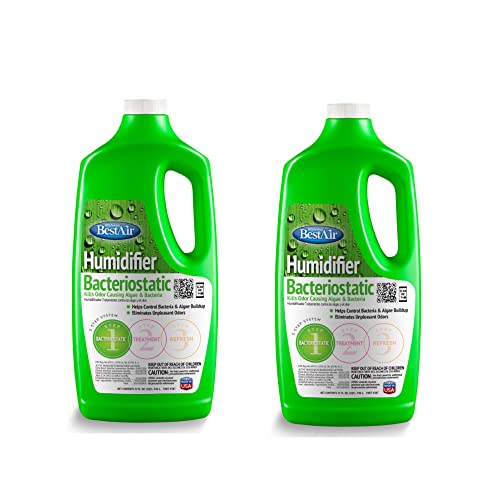
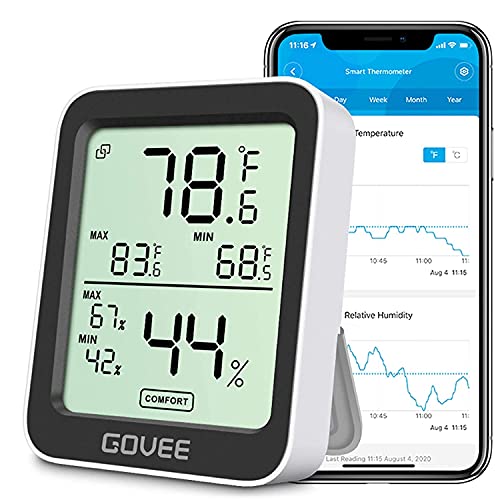
The six things that make a steam vaporizer or humidifier actually work for you: the medicated liquid and pads that turn steam into relief, the treatment and cleaning tools that keep the tank safe, and a meter so you know when the room is right. Prices are approximate at time of writing.




First, know which Vicks you actually own
Three different Vicks machines get called a vaporizer, and the instructions diverge immediately, so start here. Look at the top of your unit.
If there is a shallow well or cup on top, you own a medicine-cup unit: the V150 Warm Steam Vaporizer at $19.79 or the V745 Warm Mist Humidifier at $39.49. These take liquid VapoSteam, currently $9.98 for 8 ounces. The V150 boils and releases steam; the V745 heats and cools the mist before release, which changes the placement urgency but not the cleaning.
If there is a slot for a dry pad, you own a pad unit, such as the night-light V150 at $34.76, which has both a cup and a slot. Pads are VapoPads, $14.97 for a 20-pack, roughly $0.75 each.
If there is neither, you own a cool-mist ultrasonic unit, like the whole Vicks filter-free line. Those take no scent product at all: no liquid in the tank, no pads, nothing. They also do not boil, which means they need even more cleaning discipline, not less. Everything in this guide about salt and descaling applies only to the boiling units.
Step one: fill it, and use tap water on purpose
Unplug the unit before filling. Take the tank to a sink, fill it with ordinary cool tap water to the fill line marked inside, and seat it back on the base properly. Do not overfill past the line, because a boiling unit needs the headspace.
The counterintuitive part is that distilled water is the wrong choice in a steam vaporizer, which reverses the advice you will read everywhere about ultrasonic humidifiers. An ultrasonic unit atomizes dissolved minerals into the room as white dust, so distilled water helps. A steam vaporizer boils, so minerals stay in the base rather than going into the air, and more importantly the electrodes need those minerals to conduct current at all. Fill a V150 with distilled water and it may produce almost no steam. The full comparison is in distilled vs tap water.
Step two: the salt, and why it is in the manual
This is the most misunderstood instruction in the category, so here it is precisely. A Vicks steam vaporizer boils water by passing current between two electrodes, and the water's own dissolved mineral content is what carries that current. Soft water carries less. Very soft water, softened water, or distilled water may carry so little that the unit produces weak steam or none at all, even though nothing is broken.
Vicks's own instructions document the remedy: add a small pinch of salt to the tank water to raise its conductivity. This is not a folk hack from a forum. It is a manufacturer instruction that exists because the machine's operating principle depends on the water you put in it.
If salt does not fix it, the cause is almost always scale on the electrodes rather than conductivity, which sends you to the descaling section below. A coated electrode conducts poorly no matter what is in the water.
Step three: VapoSteam in the cup, never in the tank
If your unit has a medicine cup, this is the step that makes it a Vicks rather than a generic humidifier. Pour VapoSteam into the cup, following the fill guidance on the bottle and the unit, and nothing else. The liquid never enters the tank, never touches the electrodes, and never needs mixing. Steam rising past the cup carries the camphor and menthol vapor into the room, which is the entire mechanism.
An 8 ounce bottle is $9.98, verified via the Amazon Creators API on September 5, 2026, and there is a lavender version at the same price if sharp menthol beside your head for eight hours is not what you want. Cost per night is small, which is why the liquid is cheaper to run than pads. Detail in the VapoSteam review.
If your unit has a pad slot instead, drop in one VapoPad and replace it when the scent fades. Pads are tidier and cost more per night, at roughly $0.75 each from the 20-pack; the arithmetic is in the VapoPads review.
Step four: placement, which is the part that actually matters
A steam vaporizer holds near-boiling water for as long as it runs and for a while after you switch it off. Treat it as what it is.
On the floor, on a hard, level surface, not on carpet where it can tip and not on a nightstand where a sleepy arm can reach it. About four feet from the bed, which is far enough that the steam plume is dispersing rather than condensing onto bedding, and close enough to matter. Cord routed along a wall or behind furniture where no one can hook a foot through it. Out of reach of children and pets, without exception. Never move a unit that is running or has just finished.
One more placement note that has nothing to do with heat: point the output away from walls, wooden furniture and electronics. Steam condenses on cold surfaces, and a wall that stays damp all winter grows exactly what you were trying to avoid.
Step five: how long to run it, and how to know it is working
Vicks publishes about 24 hours of run time per fill for the V150's 1.5 gallon tank, which comfortably covers a night with plenty left over. Most people run it from bedtime until morning, which is the sensible pattern: the dry-throat, blocked-nose misery of a head cold is worst overnight, and running a unit all day in an empty room accomplishes nothing except emptying the tank.
The number that tells you whether it is working is not the tank level, it is the room's relative humidity. The commonly cited indoor target is 30 to 50 percent. Below that, air feels dry and irritating. Above roughly 60 percent, you are actively encouraging mold and dust mites, which makes the room worse rather than better, and in a small tightly sealed bedroom a 1.5 gallon vaporizer can push past that faster than people expect.
If the windows are streaming with condensation in the morning, the room is too humid: run the unit for fewer hours, or crack a door. If nothing has changed at all, check the humidity reading before assuming the machine has failed, because a large or draughty room can absorb everything a single unit produces.
Step six: the daily clean, which is not optional
Every morning after use: unplug it, let it cool completely, pour out any remaining water, rinse the tank, and dry it. That is the whole daily routine and it takes about two minutes.
The reason it matters is that standing water grows things. Boiling deals with what is in the water on its way out of the machine; it does nothing about the biofilm that forms in a reservoir left full for three days. Never top up a partly full tank without emptying it first, because that simply keeps the old water in circulation, and never leave water sitting in a unit you have stopped using.
Step seven: the weekly vinegar descale
Once a week, or on whatever schedule your manual specifies, descale the unit with plain white vinegar. Boiling concentrates dissolved minerals in the base, they deposit on the electrodes as scale, and scale is an insulator: a coated electrode conducts poorly, so the unit steams weakly and eventually not at all. Most V150s that owners believe have died are simply scaled.
The method, following the manual rather than improvising: unplug and cool the unit, empty it, apply white vinegar to the base and electrode area as the instructions direct, let it sit long enough to soften the deposits, then wipe or brush gently and rinse thoroughly until no vinegar smell remains. Never scrape electrodes with anything metal, and never run the unit with vinegar still in it.
Troubleshooting: the three reasons it stops steaming
Almost every "my Vicks vaporizer is not working" case is one of three things, in this order of likelihood.
One, scale on the electrodes. If the unit has been running for weeks without a descale, this is your answer. Descale with white vinegar per the manual and try again before doing anything else.
Two, water that is too soft to conduct. If the unit is clean and new, or if you have just switched to distilled or softened water, the electrodes cannot draw enough current. Add a small pinch of salt to the tank, a pinch at a time, and wait several minutes between additions. This is Vicks's documented fix.
Three, the water level. The tank has to be seated properly on the base and filled to the line so the water reaches the electrodes. A tank that is not fully engaged will not deliver water where it needs to go.
How to use a Vicks warm steam vaporizer
- 1
Fill the tank with tap water
Unplug the unit, take the tank to a sink, and fill it with ordinary cool tap water to the marked fill line. Do not use distilled water: this machine boils by passing current through the water, and it needs the dissolved minerals in tap water to conduct. Seat the tank back on the base properly.
- 2
Add a pinch of salt only if the steam is weak
If the unit produces little or no steam, and only then, add a small pinch of salt to the tank water. This is Vicks's documented fix for water that is too soft to carry current. Add one pinch, wait several minutes, and only add more if the output is still weak, because too much salt makes the unit boil hard and spit.
- 3
Put VapoSteam in the medicine cup
If you want medicated vapor and your unit has a medicine cup, pour VapoSteam into the cup following the guidance on the bottle. Never add it to the tank water, and never put it in an ultrasonic or cool-mist humidifier. If your unit has a pad slot instead, drop in one VapoPad.
- 4
Place it on the floor, four feet from the bed
Set the unit on the floor on a hard, level surface about four feet from the bed, out of reach of children and pets, with the cord routed where nobody can catch a foot on it. Point the steam away from walls, wooden furniture and electronics. Never move it while it is running or immediately after.
- 5
Run it overnight and watch the humidity
Plug it in and expect steam within a few minutes. Vicks publishes about 24 hours of run time per fill for the 1.5 gallon V150, so one fill covers a night comfortably. Aim to keep the room in the commonly cited 30 to 50 percent relative humidity range, and use an inexpensive hygrometer rather than guessing.
- 6
Empty, rinse and dry it every morning
Unplug the unit, let it cool completely, pour out any remaining water, rinse the tank and dry it. Never top up a partly full tank without emptying it first, and never leave water standing in a unit you are not using.
- 7
Descale with white vinegar every week
Once a week, or on the schedule in your manual, descale the base and electrodes with plain white vinegar: empty the unit, apply the vinegar as the instructions direct, let it soften the deposits, then wipe gently and rinse thoroughly until no vinegar smell remains. Scale on the electrodes is the most common reason a working vaporizer stops steaming.
Ready to buy? Start with our top picks
Whatever this guide steered you toward, here's where most readers land, ranked on verified output and value. Live price check on each.
As an Amazon Associate we earn from qualifying purchases, at no cost to you.
Key terms
- Electrode boiling
- How a Vicks warm steam vaporizer works: current passes between two electrodes through the tank water, the water's dissolved minerals carry that current, and resistance boils the water. It is why the unit needs no filter and why very soft water can stop it steaming.
- Medicine cup
- The shallow well on top of a steam vaporizer or warm mist humidifier that holds liquid VapoSteam so rising vapor carries the scent into the room. It is the only correct destination for the liquid; the tank never is.
- The salt pinch
- Vicks's documented fix for weak steam in soft or distilled water: a small pinch of salt added to the tank to raise conductivity. Add one pinch at a time and wait, because excess salt makes the unit boil aggressively and cannot be removed without emptying the tank.
- Descaling
- Removing the mineral deposits that boiling leaves on the electrodes and in the base, using plain white vinegar per the manual. Scale insulates the electrodes and is the most common cause of a vaporizer that has stopped producing steam.
- Target relative humidity
- The commonly cited indoor range of 30 to 50 percent. Below it, air feels dry and irritating; above roughly 60 percent you encourage mold and dust mites. A cheap hygrometer is the only way to know which side of it your room is on.
Questions, answered
Do you put salt in a Vicks vaporizer, and how much?
Only if the steam is weak, and only a pinch at a time. The unit boils by passing current between two electrodes, and the dissolved minerals in your water carry that current, so very soft, softened or distilled water can leave it producing almost nothing. Vicks's instructions document adding a small pinch of salt to the tank to raise conductivity. Add one pinch, wait several minutes, and add a second only if output is still weak. Too much salt makes the unit boil aggressively and spit hot water, and the only way back is to empty, rinse and refill. A unit steaming normally on your tap water needs no salt at all.
Where do you put the Vicks liquid in a vaporizer?
In the medicine cup, which is the shallow well on top of the unit, and never in the tank water. Steam rising past the cup carries the camphor and menthol vapor into the room; that is the whole design. Adding VapoSteam to the tank sends it through the boiling chamber, which is not how the product is meant to be used and leaves residue on the electrodes you then have to clean off. If your unit has a scent pad slot rather than a cup, use a VapoPad instead, and if it has neither it is a cool-mist unit that takes no scent product at all.
Should I use distilled water in a Vicks vaporizer?
No, and this reverses the usual humidifier advice for a specific reason. Ultrasonic cool-mist units atomize dissolved minerals into the room as white dust, so distilled water genuinely helps them. A steam vaporizer boils instead, so minerals stay in the base rather than going into the air, and more importantly the electrodes need those minerals to conduct current at all. Fill a V150 with distilled water and you may get very little steam. Use ordinary tap water, and if your water is unusually soft, use the documented pinch of salt rather than switching water types.
How far from the bed should a vaporizer be?
About four feet, on the floor, on a hard level surface, with the output pointed away from walls, wooden furniture and electronics. Four feet is far enough that the plume is dispersing rather than condensing onto bedding, and close enough that the humidity reaches you. The cord should run along a wall or behind furniture so nobody can hook a foot through it, and the unit must be out of reach of children and pets, because it holds near-boiling water for as long as it runs and for a while afterward. Never move it while it is running.
How long should you run a vaporizer at night?
Overnight is the normal pattern, and Vicks publishes about 24 hours of run time per fill for the 1.5 gallon V150, so a single fill covers a night with room to spare. What should govern the decision is not the clock but the room's relative humidity: the commonly cited target is 30 to 50 percent, and past roughly 60 percent you are encouraging mold and dust mites rather than helping anybody breathe. If you wake to windows streaming with condensation, run it for fewer hours. An inexpensive hygrometer settles the question in a way no run-time figure can.
How often should I clean a Vicks vaporizer?
Empty, rinse and dry it every day you use it, and descale it with plain white vinegar weekly or on whatever schedule your manual specifies. The daily rinse is about biology: standing water grows mold and bacteria, and boiling handles what leaves the machine but not the film that forms in a tank left full for days. The weekly descale is about mechanics: boiling concentrates minerals onto the electrodes, scale insulates them, and a scaled unit steams weakly or not at all. Hard water means descaling more often, not differently.
Why is my Vicks vaporizer not producing steam?
Three causes cover nearly all of it. Scale on the electrodes is the most common, especially if the unit has run for weeks without a vinegar descale, so descale it first before assuming anything else. Second is water that is too soft to conduct, which is what the documented pinch of salt is for, added a pinch at a time. Third is a tank that is not seated properly or not filled to the line, so the water is not reaching the electrodes. If the unit is clean, correctly filled and conducting and it still does nothing, that is a hardware failure and a warranty question.
Can I use a Vicks vaporizer in a baby's room?
We would not, and neither would the American Academy of Pediatrics, which prefers cool-mist humidifiers in children's rooms precisely because warm-mist and steam units hold hot water that can scald a child who tips or reaches the machine. That applies to the V150, which releases steam, and to the V745, which cools its mist but still holds hot water internally. For a baby or a mobile toddler, buy a cool-mist unit and place it out of reach with the cord secured. For an older child's room where you control placement, a steam unit on the floor four feet from the bed is a reasonable choice.
Filed under Explainer
Part of Vaporizer 101
Keep reading
Vicks Warm Steam Vaporizer Review
The $19.79 V150 in full: tank, run time, the salt quirk and the honest caveats.
How to Clean a Vaporizer
The daily rinse and the weekly vinegar descale, step by step, for every unit type.
Can You Put Vicks in a Humidifier?
VapoSteam, VapoPads and VapoRub: what goes where, and what breaks when it does not.
Distilled vs Tap Water in a Vaporizer
Why distilled helps an ultrasonic humidifier and hurts a steam vaporizer.