Our Pick: Vicks
Check price on Amazon →Humidifier vs Dehumidifier: Which Problem Do You Have?
These two machines do exactly opposite things, so the only question that matters is which direction your room is wrong in. A humidifier adds moisture to air that is too dry. A dehumidifier removes moisture from air that is too damp. Guessing from how a room feels is unreliable, which is why the correct first purchase for almost everyone is neither: it is a hygrometer that costs about eleven dollars and settles the argument in an afternoon.
By The Vapor Reviews DeskUpdated 2026-09-05~8 min read Ranked on verified output, never box claimsHow we research
The rule is short. If a hygrometer in the room reads below about 30 percent relative humidity, you have a dryness problem and a humidifier is the machine. If it reads above about 60 percent, you have a damp problem and a dehumidifier is the machine. Between 30 and 50 percent, the commonly cited EPA comfort range, you do not need either and buying one will make things worse rather than better.
The reason people get this wrong is that dryness and damp produce overlapping complaints. Both can make a room feel stuffy. Both can make sleep worse. Both get blamed for stale smells and for winter colds. But the underlying conditions are opposites, and running the wrong machine actively pushes the room further from where it should be, which is how someone ends up with condensation on the windows and a humidifier still running because the air felt dry.
One editorial note, because we are an Amazon-only review site. This page does not recommend specific dehumidifiers. Our rankings cover humidifiers, vaporizers, steam inhalers, facial steamers and diffusers that we can verify as live Amazon listings, so dehumidifiers appear here as a category to help you diagnose, not as a shopping list.
The short version
- Humidifier adds moisture. Dehumidifier removes it. They are opposites and should never run in the same room at the same time.
- Buy the hygrometer first. A Govee H5075 is $11.69 and a TempPro TP50 is $10.99.
- Under about 30 percent: dryness. Over about 60 percent: damp. Between 30 and 50 percent: leave it alone.
- Dryness signals: static shocks, chapped lips, dry throat on waking, cracking wood, nosebleeds.
- Damp signals: window condensation, musty smell, mold spots, clammy bedding, warping and peeling.
- Most climates need different machines in different seasons: humidifier in a heated winter, dehumidifier in a humid summer.
- Both machines fail the same way when neglected: standing water. Empty and clean whichever one you run.
Our top-rated vaporizers
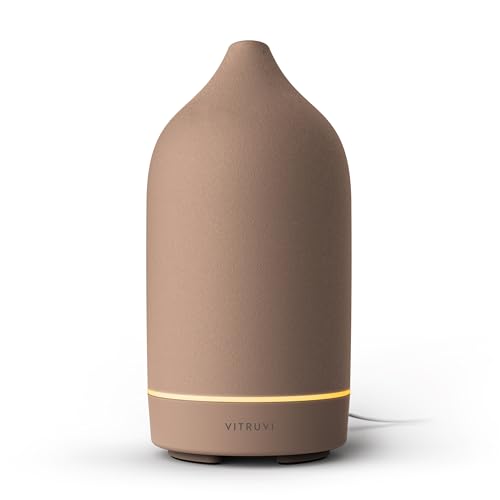
Whatever you decide, these are the picks we recommend across every category, ranked on verified output and value. Live price check on each.


As an Amazon Associate we earn from qualifying purchases, at no cost to you.
What you'll need
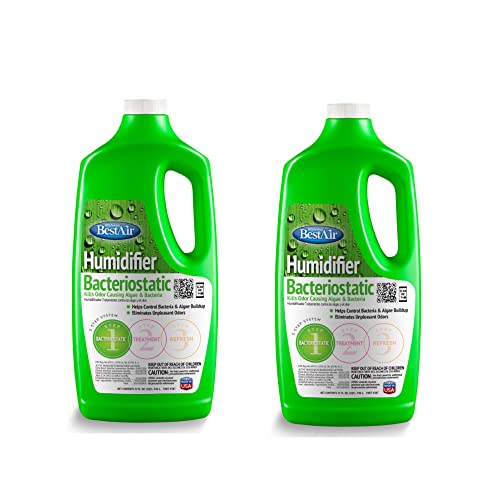
The six things that make a steam vaporizer or humidifier actually work for you: the medicated liquid and pads that turn steam into relief, the treatment and cleaning tools that keep the tank safe, and a meter so you know when the room is right. Prices are approximate at time of writing.





The one test that decides it
Put an inexpensive hygrometer in the room you are worried about, on an interior surface at roughly the height you spend time at, away from vents, away from exterior walls and away from any humidifier or dehumidifier already running. Read it in the morning, in the evening, and again after a few days, since a single reading catches one moment of one day.
A Govee H5075 Bluetooth hygrometer is $11.69 and logs to a phone, which is genuinely useful for seeing an overnight curve rather than a single number. A TempPro TP50 is $10.99 if you would rather just glance at a display, and a TempPro TP49 3-pack is $22.99 if you want to compare several rooms at once, which often reveals that only one room has a problem (prices verified via the Amazon Creators API on September 5, 2026).
| Reading | What it means | What to buy |
|---|---|---|
| Under 30 percent | Too dry, typical of a heated house in winter | Humidifier |
| 30 to 50 percent | The commonly cited EPA comfort range | Neither |
| 50 to 60 percent | Upper edge; watch for condensation | Ventilation and monitoring first |
| Over 60 percent | Too damp; mold and dust mite territory | Dehumidifier, plus find the moisture source |
What dryness looks like
Dry-air symptoms are mostly tactile and they cluster in cold weather with the heating on. Static shocks off doorknobs, bedding and clothing are the classic tell, because static builds readily in dry air and dissipates in humid air. Chapped lips and tight, itchy skin that improve within a day of visiting somewhere else. Waking with a dry mouth or a scratchy throat. Nosebleeds in a dry season. And around the house: wood floors, doors and furniture opening at the joints, musical instruments going out of tune, and houseplants struggling despite watering.
The mechanism behind the seasonality is worth knowing, because it explains why this is a winter problem in cold climates. Cold outdoor air holds very little moisture. When it comes indoors and gets heated, its capacity to hold water rises sharply while the actual water content does not, so relative humidity falls. The harder you heat, the drier the indoor air becomes, which is why a well-heated house in January can sit in the teens.
The fix is a humidifier held inside the 30 to 50 percent band, not pushed as high as it will go. The design options, and which one suits a bedroom, a nursery or a large room, are covered in how to choose a vaporizer and ranked in best humidifiers for a bedroom. For a child's room, the AAP recommends cool mist rather than warm-mist or steam units because of the burn risk from heated designs.
What damp looks like
Damp symptoms are mostly visual and olfactory, and they show up on surfaces before they show up on you. Condensation on the inside of windows, especially in the morning, is the single most reliable early sign. A musty smell in a basement, a closet or a bathroom that never quite clears. Dark spots on ceilings, grout, window frames or behind furniture. Clammy bedding and towels that never dry properly. Warping, peeling paint and swelling doors. And in a home with dust mite or mold sensitivities, symptoms that get worse in summer rather than winter.
Damp usually has a source, and this is where a dehumidifier can become an expensive way to avoid a repair. A leaking pipe, poor bathroom or kitchen extraction, a basement without a vapor barrier, drying laundry indoors, an unvented dryer or groundwater intrusion will keep supplying moisture faster than a machine removes it. Look for the source first; run a dehumidifier as the control measure, not as the entire strategy.
Two low-cost measures often move the number before any appliance does: ventilate, by running extraction fans during and after showers and cooking, and circulate, by keeping furniture off exterior walls so air can move behind it. Both attack the pattern where a single cold, still corner condenses everything the rest of the house produces.
Why running the wrong one makes things worse
These machines are not neutral if misapplied. Running a humidifier in an already-damp room drives the reading up past 60 percent, which is where mold growth and dust mite populations are favored, and the visible result is water running down the windows and spots appearing on the frames. People do this because the air felt dry, which it can, particularly when a room is cold, since cold air feels harsher on the skin regardless of humidity.
Running a dehumidifier in an already-dry room pulls a heated winter bedroom further down into the teens, which makes every dryness symptom above sharper and leaves you with a machine running, a bucket to empty and a worse room. It also costs electricity to achieve the opposite of what you wanted.
Running both at once in the same room is the worst version: they fight each other continuously, both consume power, and the room lands wherever the stronger machine happens to win, which is nowhere in particular. If you own both because different seasons need different things, store one while the other works. And if you have a humidistat-equipped humidifier such as the Levoit LV600S at $109.00, set it inside the band and let it cycle rather than running it flat out, which is the most common route to accidental over-humidification in a small sealed bedroom.
The seasonal answer for most households
In a lot of climates the correct answer is not one machine but two, used at different times of year, and thinking of it seasonally removes most of the confusion. Heating season, roughly late autumn through early spring in cold climates, dries indoor air for the reason described above, and that is humidifier territory. Warm humid months, particularly in the South and in coastal or basement-heavy homes, push indoor humidity up, and that is dehumidifier territory.
The transition points are exactly where a hygrometer earns its keep, because they move every year with the weather. Rather than starting the humidifier on a date, start it when the reading falls under 30 percent, and stop when it holds comfortably in the band without help. That habit also stops the common autumn mistake of running a humidifier through a mild damp spell and creating condensation in a room that was never dry.
Which humidifier to run when the season turns depends on the room. For an easy bedroom answer, a Levoit 2.5 L top fill is $29.79 and near silent, though ultrasonic units want distilled water to avoid white dust. For tap-water convenience and no dust, an evaporative unit such as the Honeywell Cool Moisture evaporative at $76.42 or the Vornado Evap40 at $109.99 is the sturdier long-season choice. For a whole floor, a console such as the AIRCARE Space-Saver at $129.99 covers area a bedside unit never will. Prices verified via the Amazon Creators API on September 5, 2026.
Whichever you run, the upkeep rule is the same
Both machine types manage water, and both punish neglect in the same way. A humidifier holds standing water in a tank that will grow biofilm within days if it is topped off rather than emptied, and cool-mist designs then aerosolize whatever is in there. A dehumidifier holds collected water in a bucket or drains it away, and a bucket left standing does exactly what a humidifier tank does.
So: empty daily, dry the surfaces, and clean on schedule. For humidifiers that means the routine in how to clean a humidifier, with a weekly white vinegar descale and a separate sanitizing step per the manual, never mixing bleach and vinegar in a tank. If a pink or slimy film appears in either machine, deal with it properly rather than rinsing it away; the sequence is in pink film in a humidifier.
And keep measuring after you buy. The hygrometer is not a one-time diagnostic tool; it is the control loop. A humidifier held in the 30 to 50 percent band is doing its job. One that has pushed a bedroom to 65 percent has quietly become the damp problem that the other machine exists to solve.
How to tell whether you need a humidifier or a dehumidifier
- 1
Place a hygrometer properly
Put an inexpensive hygrometer in the problem room, at the height you occupy, away from vents, exterior walls and any humidifier or dehumidifier already running.
- 2
Read it at least three times
Check it in the morning, in the evening and again after a few days. Humidity swings with weather, heating and activity, so a single reading is not a diagnosis.
- 3
Compare against the band
Under about 30 percent means too dry. Over about 60 percent means too damp. Between 30 and 50 percent is the commonly cited EPA comfort range and needs neither machine.
- 4
Check the surfaces for corroboration
Look for window condensation, musty smells and dark spots, which confirm damp, or static shocks, cracked lips and opening wood joints, which confirm dryness.
- 5
If damp, look for the source before buying
Check for leaks, unvented bathrooms or dryers, laundry drying indoors and furniture blocking exterior walls. Ventilation and repairs often move the number before an appliance does.
- 6
Buy the machine that moves you toward the band
Choose a humidifier sized to the room for dryness, or a dehumidifier for damp. In a child's room use a cool-mist humidifier, per AAP guidance on burn risk from heated units.
- 7
Keep the hygrometer as the control
Run the machine to hold 30 to 50 percent rather than flat out, and re-check as seasons change. Stop when the room holds the band on its own.
Ready to buy? Start with our top picks
Whatever this guide steered you toward, here's where most readers land, ranked on verified output and value. Live price check on each.
As an Amazon Associate we earn from qualifying purchases, at no cost to you.
Key terms
- Relative humidity
- The share of moisture air holds compared with its maximum at that temperature. It falls when cold outdoor air is heated indoors, which is why winter houses go dry.
- The 30 to 50 percent band
- The commonly cited EPA indoor comfort range. Below it, dryness symptoms appear; above roughly 60 percent, mold and dust mites are favored.
- Condensation
- Moisture depositing on a cold surface such as a window pane. The most reliable early visual sign that a room is too damp rather than too dry.
- Moisture source
- The ongoing supply behind a damp room: a leak, unvented cooking or bathing, indoor laundry drying, or groundwater. A dehumidifier controls the symptom; the source needs fixing.
- Humidistat
- A humidity sensor and control built into a humidifier that cycles the unit to hold a set level. The practical defense against over-humidifying a small sealed room.
Questions, answered
How do I know whether I need a humidifier or a dehumidifier?
Measure. Put an inexpensive hygrometer in the room, away from vents and exterior walls, and read it morning and evening over a few days. Under about 30 percent is a dryness problem calling for a humidifier. Over about 60 percent is a damp problem calling for a dehumidifier and a look for the moisture source. Between 30 and 50 percent, the commonly cited EPA range, neither machine is needed. A Govee H5075 is $11.69 and a TempPro TP50 is $10.99, verified via the Amazon Creators API on September 5, 2026.
Can a humidifier and a dehumidifier be used in the same room?
Not at the same time, and there is no situation where it makes sense. They do exactly opposite jobs, so running both means two machines consuming power to fight each other while the room settles wherever the stronger one wins. If you own both because different seasons need different things, store one while the other runs. The only thing that should be running continuously in both seasons is the hygrometer, which tells you which machine to bring out and when to put it away again.
What are the signs a room is too dry?
Static shocks off doorknobs, bedding and clothing; chapped lips and tight, itchy skin; waking with a dry mouth or scratchy throat; nosebleeds in cold weather; wood floors, doors and furniture opening at the joints; instruments drifting out of tune; and houseplants struggling despite watering. The pattern is seasonal: symptoms appear when the heating goes on and clear in spring. That happens because cold outdoor air carries little moisture, and heating it indoors raises its capacity to hold water while the actual water content stays low.
What are the signs a room is too damp?
Condensation on the inside of windows, especially in the morning, is the most reliable early sign. Then a musty smell that never fully clears, dark spots on ceilings, grout, window frames or behind furniture, clammy bedding and towels that will not dry, peeling paint and swelling doors. Damp usually has a source, such as a leak, an unvented bathroom or dryer, laundry drying indoors, or a basement without a vapor barrier, and a dehumidifier controls the symptom rather than fixing the cause.
Is 60 percent humidity too high indoors?
It is at the edge and heading in the wrong direction. The commonly cited EPA comfort range is 30 to 50 percent, and above roughly 60 percent the conditions favor mold growth and dust mite populations, which is why sustained readings there are worth acting on. In practice the visible confirmation arrives before any health effect: condensation forming on window glass and frames overnight, and a musty note in still corners. If a humidifier is running when you see that, turn it down or off and use its humidistat if it has one.
Do I need a humidifier in summer?
In most climates, no. Warm outdoor air holds far more moisture than cold air, so indoor humidity in summer is usually adequate and often too high, particularly in humid regions, basements and homes without air conditioning. The exception is a heavily air-conditioned space, since cooling removes moisture as a side effect and can leave an office or bedroom drier than expected. As always, the hygrometer decides rather than the calendar: run the humidifier when the reading falls below 30 percent, whatever month it is.
Which dehumidifier should I buy?
We do not have a recommendation, and we would rather say so than pretend otherwise. Vapor Reviews covers products we can verify as live Amazon listings in humidification and steam: humidifiers, vaporizers, steam inhalers, facial steamers and diffusers. Dehumidifiers sit outside what we rank, so this page exists to help you work out whether you need one rather than which to buy. What we can tell you is the diagnostic, the target band, and that finding the moisture source usually matters more than the model you choose.
Does a dehumidifier need the same cleaning as a humidifier?
The principle is identical even though the mechanism is reversed: both machines manage standing water, and standing water grows biofilm. A humidifier tank left topped off rather than emptied develops growth within days, and cool-mist designs then aerosolize it into the room. A dehumidifier's collection bucket does the same thing if it sits full. Empty daily, dry surfaces, and clean on the manufacturer's schedule. For humidifiers specifically, that means a weekly white vinegar descale and a separate sanitizing step, never mixed together.
Filed under Explainer
Part of Vaporizer 101 · Head-to-Head Comparisons
Keep reading
Humidifier vs Air Purifier
The other machine people confuse this with: moisture versus particles, and when you need both.
Ideal Humidity for a Bedroom
The 30 to 50 percent band in detail, and what goes wrong on either side of it.
How Long Does a Humidifier Take to Work?
Once you have the right machine: what to expect hour by hour, and when it is undersized.
Best Humidifiers for a Bedroom
If the reading says dry: units ranked on noise, tank life, upkeep and live Amazon prices.