Our Pick: Vicks
Check price on Amazon →Humidifier vs Air Purifier: Which One Do You Need?
They are not competitors, and choosing between them is easier once you stop treating them as alternatives. A humidifier adds water vapor to dry air. An air purifier pulls particles out of the air and changes its moisture content not at all. If your problem is a cracked-lip, static-shock, dry-throat winter bedroom, you need the humidifier. If your problem is dust, pollen, pet dander or smoke, you need the purifier. Plenty of households genuinely need both, and they do not interfere with one another.
By The Vapor Reviews DeskUpdated 2026-09-05~8 min read Ranked on verified output, never box claimsHow we research
The distinction in one line: a humidifier changes how much water is in the air, and an air purifier changes what solid particles are floating in it. Neither does the other's job at all. A purifier will not relieve a dry room, and a humidifier will not remove pollen, dust or smoke. Almost every argument about which is better is really a misdiagnosis about which problem the household actually has.
So start with the symptom rather than the machine. Static shocks off the doorknob, a dry throat in the morning, chapped lips, cracking wood furniture and skin that feels tight are dryness problems, and a hygrometer reading under about 30 percent confirms it. Sneezing that tracks with the seasons or with the cat, visible dust in a sunbeam, a smoky or cooking-heavy home, and symptoms that improve the moment you leave the house are particle problems, and no amount of moisture addresses them.
One clarification before the detail, because we are an Amazon-only review site and we stay in our lane: this page does not recommend specific air purifiers. We rank what we can verify on Amazon, and our purchase recommendations are for humidifiers, vaporizers, steam inhalers, facial steamers and diffusers. Purifiers here are discussed as a category, so you can work out whether you need one, not as a shopping list.
The short version
- Humidifier: adds water vapor. Fixes dryness. Does nothing about dust, pollen, dander or smoke.
- Air purifier: filters particles out of air. Does nothing to humidity, in either direction.
- Diagnose by symptom, then confirm with a hygrometer. Under about 30 percent is a dryness problem.
- The commonly cited EPA comfort range is 30 to 50 percent relative humidity; above roughly 60 percent invites mold and dust mites.
- Running both in the same room is fine and common. They do not cancel out.
- A humidifier is not an air cleaner, and misting a room does not remove airborne particles.
- A hygrometer settles the question for around $11: a Govee H5075 is $11.69, a TempPro TP50 is $10.99.
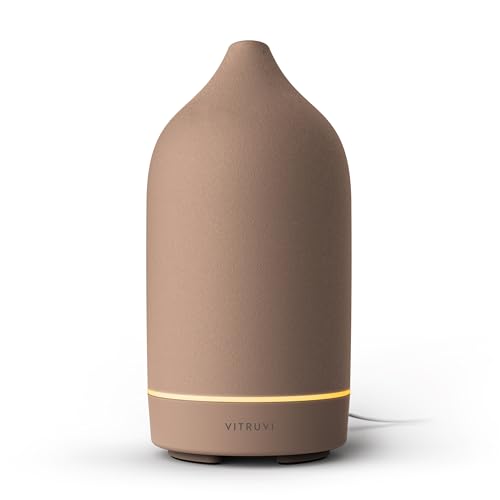
Our top-rated vaporizers
Whatever you decide, these are the picks we recommend across every category, ranked on verified output and value. Live price check on each.


As an Amazon Associate we earn from qualifying purchases, at no cost to you.
What you'll need
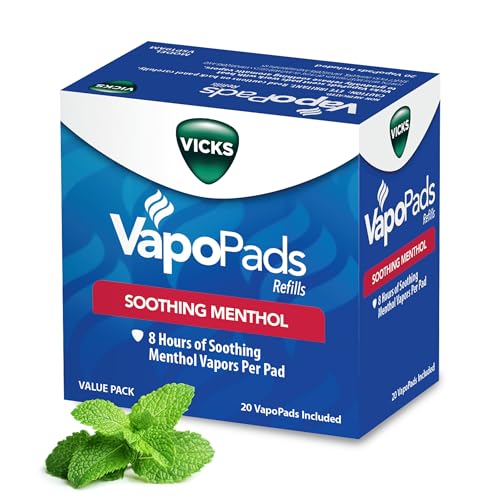
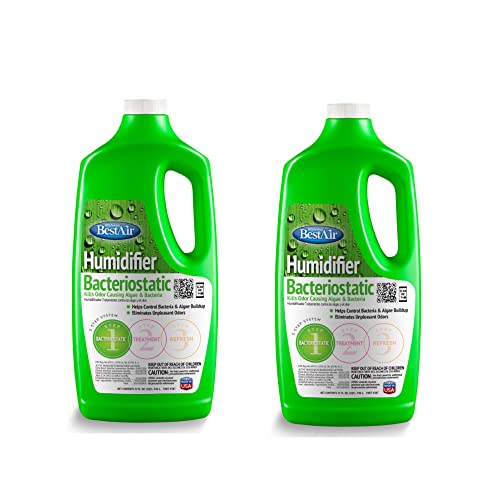
The six things that make a steam vaporizer or humidifier actually work for you: the medicated liquid and pads that turn steam into relief, the treatment and cleaning tools that keep the tank safe, and a meter so you know when the room is right. Prices are approximate at time of writing.




Two machines, two jobs
A humidifier evaporates, boils or atomizes water and releases it into the room as vapor or fine mist, raising relative humidity. That is its entire function. Depending on the design it may use a wick, a heater, a set of electrodes or an ultrasonic transducer, but the output is always the same thing: water in the air.
An air purifier does something structurally different. It draws room air through a filter medium, traps particles in it, and returns the air. The particles it targets are the solid and liquid aerosols people care about: dust, pollen, pet dander, mold spores, smoke particulate. The air that comes out has the same moisture content as the air that went in, because a filter does not remove or add water vapor.
| Humidifier | Air purifier | |
|---|---|---|
| What it changes | Water vapor in the air | Particles suspended in the air |
| Helps with | Dry throat, chapped lips, static, dry skin, cracking wood | Dust, pollen, pet dander, smoke particulate |
| Does not help with | Anything particulate | Dryness of any kind |
| Main consumable | Water, plus wicks or filters on some designs | Filters |
| Main upkeep risk | Standing water, biofilm and scale | A loaded filter that stops working quietly |
| Verified by | A hygrometer reading 30 to 50 percent | Symptom change and filter condition |
Which symptoms point where
Point to a humidifier: waking with a dry mouth or a scratchy throat; lips and hands cracking in winter; static shocks off door handles, bedding and clothing; nosebleeds in a dry season; wood floors and furniture opening at the joints; houseplants struggling; a hygrometer reading under about 30 percent. These are all dryness signals, and the common thread is that they appear in cold weather with the heating on and disappear in spring.
Point to an air purifier: sneezing and itchy eyes that track a season or an animal; visible dust drifting through a shaft of sunlight; a household with smokers, a fireplace, heavy cooking or nearby wildfire smoke; symptoms that lift within an hour of leaving the house and return on getting home. These are particle signals, and they do not care what the humidity reading says.
Point to both: a dry, dusty winter bedroom in a heated house with a pet, which describes a great many homes between November and March. There is no conflict in running both, and no efficiency lost.
The claims that confuse people
"A humidifier cleans the air." It does not. There is a grain of physics behind the myth, in that heavier airborne particles can settle out faster in more humid air, but a humidifier is not a filtration device and should never be bought as one. If dust is the problem, adding moisture is at best an irrelevance.
"An air purifier dries out the room." Also untrue. Filtration does not remove water vapor, and any perceived drying is usually the fan moving air across skin, which feels drier without changing the humidity reading at all. If a purifier seems to have dried your room, check a hygrometer before blaming it; heating is the far more likely culprit.
"Get a combination unit and be done." Combination and humidifying-purifier products exist, and the honest caution is that combining a wet reservoir with a filter medium raises the maintenance stakes on both. Two simple machines that each do one job well are usually easier to keep clean than one that does both. We do not rank purifiers or combination units here, since our coverage is Amazon-verified humidification and steam products only.
"More humidity is always better." No. The commonly cited EPA range is 30 to 50 percent, and above roughly 60 percent you start creating exactly the conditions that mold and dust mites want, which is a particle problem you just manufactured. Overshooting is a real risk with a strong unit in a small sealed bedroom, and it shows up as condensation on the windows. The numbers are in ideal bedroom humidity.
Running both in the same room
This is common and entirely fine. The two machines operate on different properties of the air and do not fight each other. A purifier will pull in some humidified air and return it just as humid, and a humidifier will keep adding moisture regardless of what is being filtered.
Three practical notes if you do run both. Separate them. Do not place a humidifier so its plume blows straight into a purifier's intake, because wetting a particulate filter shortens its life and can encourage growth in the medium. A few feet of separation, with the humidifier aimed at open room, is enough.
Watch the humidity number, not the vibe. Two machines running is not a reason to skip the hygrometer, and a purifier's fan can make an adequately humidified room feel dry. Hold the 30 to 50 percent band and trust the reading.
Keep the humidifier clean, or it becomes an air-quality problem itself. A neglected tank grows biofilm, and cool-mist units aerosolize whatever is in the reservoir, which is precisely the outcome a purifier owner is trying to avoid. Daily emptying and drying plus a weekly descale is the whole routine, and it is laid out in how to clean a humidifier. Placement rules for both machines are covered in where to place a humidifier in a bedroom.
If the answer is a humidifier, which kind
Once dryness is the confirmed problem, the design decision is the next one and it turns on three things: whether children are in the room, how much noise you tolerate, and whether you are willing to buy distilled water.
For a child's room the AAP recommends cool mist rather than warm-mist or steam units, because heated designs hold hot water and carry a burn risk. Nursery-appropriate cool-mist units such as the Frida Baby 3-in-1 at $43.49 and the Crane Adorables at $50.99 are ranked in best humidifiers for a baby.
For a quiet adult bedroom, ultrasonic units are near silent, and the trade is distilled water to avoid mineral dust. A Levoit 2.5 L top fill at $29.79 is the easy entry point, and a Levoit LV600S at $109.00 adds a humidistat that keeps you inside the target band.
If you would rather never buy water, an evaporative unit such as the Honeywell Cool Moisture evaporative at $76.42 or the Vornado Evap40 at $109.99 runs happily on tap water, emits no white dust and trades that for fan noise and wick filters. Prices verified via the Amazon Creators API on September 5, 2026. The full field is ranked in best humidifiers for a bedroom.
Ready to buy? Start with our top picks
Whatever this guide steered you toward, here's where most readers land, ranked on verified output and value. Live price check on each.
As an Amazon Associate we earn from qualifying purchases, at no cost to you.
Key terms
- Relative humidity
- The share of moisture air holds compared with the maximum at that temperature. The property a humidifier changes and an air purifier does not touch.
- Particulate
- The solid and liquid particles suspended in air: dust, pollen, dander, mold spores and smoke. The category an air purifier targets and a humidifier cannot address.
- Hygrometer
- The inexpensive meter that reads relative humidity. It converts the humidifier question from a guess into a measurement, and it is the first purchase we recommend.
- Evaporative humidifier
- A design that blows air through a wet wick. It adds invisible moisture, keeps minerals in the filter, and is naturally self-limiting as the room gets more humid.
- Over-humidification
- Pushing a room above roughly 60 percent, where condensation, mold and dust mites become likely. It converts a dryness problem into a particle problem.
Questions, answered
Do I need a humidifier or an air purifier?
Decide by symptom, then confirm with a hygrometer. Dry throat on waking, chapped lips, static shocks, nosebleeds, cracking wood and struggling plants are dryness signals, and a reading under about 30 percent confirms a humidifier is the right machine. Sneezing that tracks with a season or a pet, visible dust in sunlight, and smoke or cooking odors are particle signals that only filtration addresses. If both descriptions fit your winter bedroom, both machines are reasonable, and they do not interfere with one another.
Does a humidifier clean the air?
No. A humidifier adds water vapor and has no filtration mechanism at all. The persistent myth comes from the fact that heavier airborne particles can settle out somewhat faster in more humid air, but settling dust onto surfaces is not the same as removing it from the room, and the effect is nowhere near a substitute for filtration. If dust, pollen or smoke is the complaint, adding moisture will not help. Worse, a neglected humidifier can make air quality worse, since cool-mist designs aerosolize whatever is growing in the tank.
Does an air purifier dry out the air?
No. Filtration removes particles and leaves water vapor untouched, so a purifier does not change the humidity reading in either direction. What people often notice is the fan: moving air across skin feels drier even when the humidity is unchanged, and a purifier running on a high setting produces exactly that sensation. Put a hygrometer in the room and check before blaming the purifier. In winter the real cause of a dry room is nearly always heating, which lowers relative humidity as it raises temperature.
Can you run a humidifier and an air purifier in the same room?
Yes, and many households should. They act on different properties of the air and do not cancel each other out. Two practical points. Keep them a few feet apart and do not aim the humidifier's outlet into the purifier's intake, since wetting a particulate filter shortens its life and can encourage growth in the medium. And keep the humidifier scrupulously clean, because a dirty tank on a cool-mist unit aerosolizes its contents into the room, which undermines the exact thing the purifier is there to do.
Should I buy a combination humidifier and air purifier?
We do not rank purifiers or combination units, since Vapor Reviews covers Amazon-verified humidification and steam products only, so treat this as a general observation rather than a recommendation. The honest caution is maintenance: combining a wet reservoir with a filter medium in one housing raises the upkeep stakes on both halves, and a damp filter is a worse failure mode than a dry one. Two simple machines that each do one job are usually easier to keep clean and easier to replace independently when one wears out.
Will a humidifier help with allergies?
Not with the allergens themselves. Pollen, dust mite debris and pet dander are particles, and a humidifier does nothing to remove them from the air. Comfortable humidity can make dry, irritated nasal passages feel better, which is a comfort effect rather than a treatment, and we are careful not to claim more than that. There is a real risk in the other direction: pushing a room above roughly 60 percent favors dust mites and mold growth, so over-humidifying in pursuit of allergy relief can make the underlying particle problem worse.
What humidity should I aim for?
The commonly cited EPA range is 30 to 50 percent relative humidity. Below that band, the dryness symptoms this page describes start appearing; above roughly 60 percent you invite mold growth and dust mites and you will typically see condensation on windows in the morning. Measure across the room rather than next to the machine, at roughly sleeping height, with an inexpensive hygrometer such as a Govee H5075 at $11.69 or a TempPro TP50 at $10.99, verified via the Amazon Creators API on September 5, 2026.
Which should I buy first if I can only afford one?
Buy the hygrometer first, at around $11, because it tells you which of the two you actually need and it will keep earning its place afterward. If the reading sits under 30 percent through the heating season and your symptoms are dryness-shaped, buy the humidifier. If humidity is already in range and your symptoms track pollen, pets or smoke, the humidifier will not help and the money belongs in filtration. Buying the wrong machine on a guess is the expensive outcome this question exists to avoid.
Filed under Explainer
Part of Vaporizer 101 · Head-to-Head Comparisons
Keep reading
Humidifier vs Dehumidifier
The other machine people confuse this with, and the hygrometer test that separates them.
Ideal Humidity for a Bedroom
The 30 to 50 percent target, what goes wrong above and below it, and how to hold the band.
Best Humidifiers for a Bedroom
If dryness is the confirmed problem: the ranked units, by noise, tank life and upkeep.
How to Clean a Humidifier
Why a neglected humidifier becomes an air-quality problem, and the routine that prevents it.