Our Pick: Vicks
Check price on Amazon →How to Use a Steam Inhaler (2026): The Safe, Useful Routine
Fill it with distilled water, let it come up to steam, seal the mask over your nose and mouth, and breathe gently through your nose for 5 to 15 minutes. Then let it cool, empty it, and dry it with the lid off. That is the whole procedure, and the details inside each step are what separate a session that helps from one that scalds your face or grows something in the reservoir.
By The Steam & Humidity Desk2026-09-05~9 min read Ranked on verified output, never box claimsHow we research
The short version, because you may be holding a box right now. Fill the reservoir to the marked line with distilled water. Switch it on and give it a minute or two to come up to steam. Sit down, put the mask over your nose and mouth without pressing it hard against your face, and breathe in slowly through your nose and out through your mouth. Run the session for 5 to 15 minutes, which is the range Vicks specifies for its Sinus Inhaler and a sensible ceiling for any device in this category. Switch it off, let it cool, empty the reservoir, rinse it, and leave it open to dry.
Everything else on this page is the reasoning behind those steps, and it matters more than it looks. The two ways a steam inhaler goes wrong are both avoidable. The first is heat: people press the mask on hard, run it too long, or lean into steam that already feels too hot, and end up with an irritated airway or a scald. The second is water left standing in a warm reservoir between colds, which is how a comfort device turns into something you are breathing out of. Neither takes any effort to prevent, and both are common.
The expectation to set before you start, since it decides whether you will be happy with the device at all: steam inhalation is a comfort measure. Warm, moist vapor often makes a blocked nose feel looser and a raw throat feel less raw for a while, which many people find genuinely worth having during a cold. The published evidence does not show it shortening a cold or treating an infection, and nothing here cures or prevents anything. If symptoms are severe, worsening, or come with a fever that worries you, that is a conversation with a clinician rather than a longer session.
The short version
- The core routine: distilled water to the line, one to two minutes of warm-up, mask resting (not pressed) over nose and mouth, 5 to 15 minutes, then cool, empty, rinse and dry with the lid off.
- Breathe in slowly through the nose and out through the mouth. If congestion means you cannot breathe through your nose at all yet, breathe through the mouth for the first minute and switch when it eases.
- Never lean into steam that feels too hot. Back off or turn the output down; on the Vicks V1200 that is a dial, on most units it means lifting the mask away.
- Scent goes only where the maker designed for it. VapoPads go in a pad slot, VapoSteam is for steam vaporizers with a medicine cup, and essential oils belong in a diffuser, never in an inhaler reservoir.
- No young child should use a steam inhaler unattended, and the AAP recommends cool-mist humidifiers rather than warm-mist or steam units in children's rooms because of burn risk.
Our top-rated vaporizers
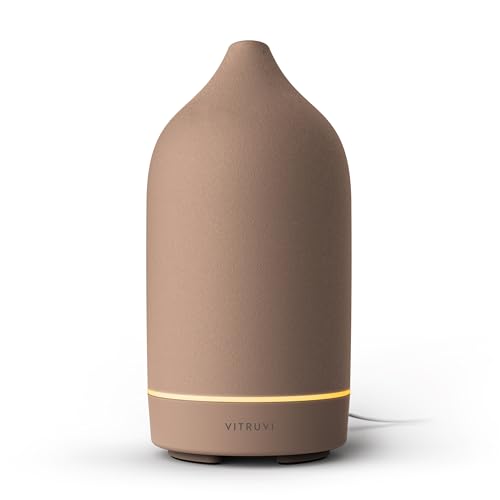
Whatever you decide, these are the picks we recommend across every category, ranked on verified output and value. Live price check on each.


As an Amazon Associate we earn from qualifying purchases, at no cost to you.
What you'll need
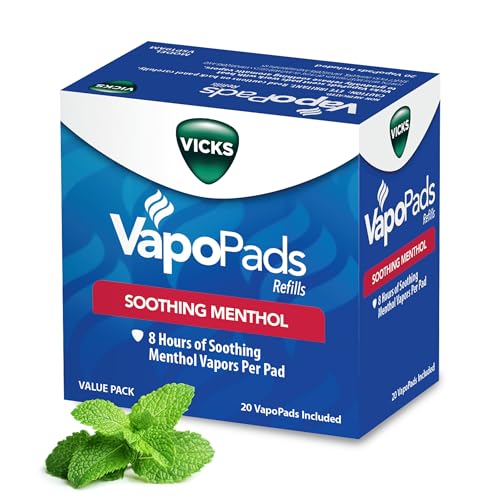
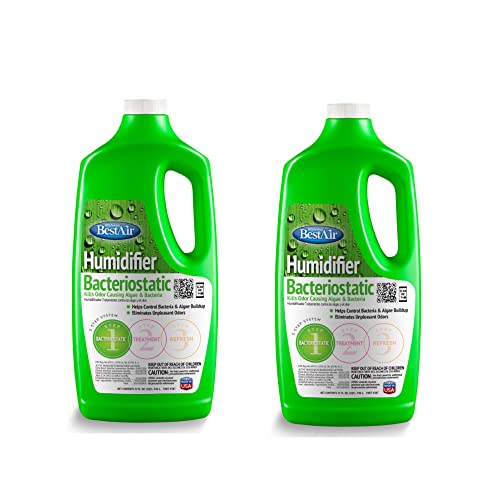
The six things that make a steam vaporizer or humidifier actually work for you: the medicated liquid and pads that turn steam into relief, the treatment and cleaning tools that keep the tank safe, and a meter so you know when the room is right. Prices are approximate at time of writing.




What a steam inhaler actually does
A steam inhaler heats water and delivers warm, moist vapor to your nose and mouth through a mask or face piece. That is the entire mechanism. It does not deliver medication, it does not sterilize anything, and it is not a nebulizer, which is a different device that turns a prescribed liquid medicine into a fine aerosol for the lungs and is used under clinical direction. If somebody has told you to use a nebulizer, a steam inhaler is not a substitute for it; the distinction is covered in vaporizer vs nebulizer.
What warm vapor does provide is comfort, and comfort is not nothing. A great many people find that five minutes of warm steam makes congestion feel looser, makes a dry throat feel less raw, and makes it easier to settle down afterward. That is why a $40 device earns its shelf space through a bad week. What the published evidence does not support is the stronger version of the claim: steam inhalation has not been shown to shorten a cold. Buying one as a comfort measure leads to satisfaction; buying one as a cure leads to disappointment.
Step 1: fill it with distilled water, to the line
Fill the reservoir with distilled water, up to the maximum line the maker marked and no further. Two reasons, both practical. Distilled water leaves no mineral scale behind in the heating chamber, and mineral scale is the most common slow failure across every device in this family: it insulates the heating element, weakens output over months, and is tedious to remove. It also means you are not turning whatever is dissolved in a hard-water supply into vapor a few inches from your face. A six-pack of gallon distilled water was $29.99 at our September 5, 2026 Creators API check, which covers a very long time in a device that holds a cupful.
Overfilling is the other half of this step and it is the one people get wrong. A reservoir filled past the line can spit hot water rather than steam, and it makes the unit heavier and more likely to slosh if it is knocked. Fill it cool, never while it is hot, and set it down on a stable surface at a height where a knock cannot tip it into a lap. If the manual for your specific unit calls for something other than distilled water, follow the manual, not this page. The wider water question is settled in distilled vs tap water.
Step 2: warm-up, and the mask seal
Switch the unit on and give it a minute or two before you put your face anywhere near it. Most makers in this category, including Vicks and Beurer, do not publish a warm-up time, so the honest instruction is to wait until steam is visibly and steadily coming from the mask rather than to watch a clock. Do not hover over the outlet while it heats, and do not use the first burst as a test by putting your face into it.
Then the seal, which is where most of the comfort comes from. Rest the mask over your nose and mouth so it makes contact all the way around without being pressed against your skin. A light seal directs the vapor where you want it. A hard press does not increase the effect, it just traps heat against your face and turns a pleasant session into an endurance test. If your unit is a facial-steamer style cone rather than a fitted mask, sit far enough back that the steam feels warm rather than sharp, and adjust the distance instead of the duration.
Step 3: the session, 5 to 15 minutes, breathing through the nose
Breathe in slowly through your nose and out through your mouth. Slowly is the operative word: fast, deep breaths pull hotter vapor further in and are the quickest route to an irritated throat. If you are congested enough that nothing is moving through your nose yet, breathe through your mouth for the first minute and switch to nasal breathing as it eases, which is usually what happens.
On duration, follow the maker's figure. Vicks specifies 5 to 15 minutes for the Vicks Sinus Inhaler, and most other makers, including Beurer on the SI30, publish nothing, so that range is the sensible ceiling for the category. Longer is not better. The comfort effect arrives in the first few minutes and everything after that is diminishing returns against a rising chance of irritation. Two shorter sessions in a day are a better plan than one long one.
And the rule that overrides all of the above: if the steam feels too hot, stop. Lift the mask away from your face rather than turning your head, or turn the output down if your unit has a control, which is the published feature of the Vicks Personal Steam Inhaler V1200. Discomfort is not something to push through in a device whose only benefit is comfort.
Scent: where VapoPads go, and what never goes in
This is the step people improvise, and improvising here damages devices. Scent belongs only where the manufacturer designed a place for it. On a unit with a scent pad slot, such as the Vicks Sinus Inhaler, that place is the slot and the product is a Vicks VapoPad: slide a fresh pad in before the session, run the session normally, and replace it when the scent fades. Original menthol pads were $14.97 for 20 at our September 5, 2026 check, and the Plus sinus relief 20-pack was $23.55. One pad per session, no more.
What does not go into a steam inhaler reservoir, ever: VapoSteam, which is a medicated liquid formulated for steam vaporizers that have a medicine cup and is not intended for inhalers without one; VapoRub, which is a topical ointment; and essential oils of any kind, which belong in a diffuser. Putting any of them into a heating chamber the maker did not validate for it can damage the unit, void the warranty, and aerosolize a product that was never meant to be inhaled that way. If your inhaler has no pad slot, as the Beurer SI30 does not, run it with plain water. Plain warm steam is the actual mechanism; scent is a preference.
Step 4: cool-down, empty, rinse, dry
Switch the unit off and leave it alone for a few minutes. Do not carry it while it is hot and full, which is the single most likely way to actually get burned by one of these; the water inside is the hazard, not the vapor. Once it is cool enough to handle comfortably, pour the reservoir out completely.
Then rinse it and let it dry with the lid off before it goes back in a cupboard. This is the habit that decides whether the device is still trustworthy next winter. A warm, damp chamber sitting closed in a bathroom cabinet between colds is exactly the environment that grows what you do not want to be breathing, and the fix takes under two minutes. Wipe the mask down too, since it collects condensate and whatever came off your face with it.
If you live somewhere with hard water and scale appears anyway, descale on the maker's schedule with the method the manual specifies. Our full cleaning routine across every device in this family, including humidifiers and vaporizers that are far more prone to this problem than a small inhaler, is in how to clean a vaporizer.
Who should not use one, or should not use one alone
Children. This is the rule that matters most and the one most often stretched. Every device in this category heats water, and hot water and hot steam scald, so no young child should operate a steam inhaler unattended or be left where a hot unit is within reach. If steam is used with an older child, an adult should be present for the entire session. For a child's room, the American Academy of Pediatrics recommends cool-mist humidifiers rather than warm-mist or steam units precisely because of burn risk, so the right purchase for a nursery is a cool-mist humidifier for the room air, with any steam device kept as a supervised adult tool. The room-level options are ranked in best vaporizer for colds and congestion.
Anyone whose symptoms are severe, persistent, or worsening should be talking to a clinician rather than steaming harder, and anyone with a diagnosed respiratory condition or an existing treatment plan should ask their clinician before adding steam to it. Steam is not a substitute for prescribed treatment and it is not a nebulizer. Beyond that, the practical exclusions are common sense: do not use one while lying down, do not use one where it can be knocked, and do not use one if you cannot sit still and pay attention to it for the length of a session.
How to use a steam inhaler safely
- 1
Fill the reservoir with distilled water
Fill to the maker's maximum line with distilled water while the unit is cool, and never above the line. Distilled water keeps mineral scale out of the heating chamber, and an overfilled reservoir can spit hot water instead of steam.
- 2
Switch on and let it come up to steam
Give the unit a minute or two to warm up and wait until steam is coming steadily from the mask before bringing your face near it. Most makers do not publish a warm-up time, so use the steam itself as the cue rather than a clock.
- 3
Fit a scent pad only if your unit has a slot
If the device has a scent pad slot, slide in one VapoPad before the session. Never add VapoSteam, VapoRub or essential oils to the water reservoir of an inhaler; they are formulated for other devices and can damage this one.
- 4
Rest the mask over your nose and mouth
Sit down with the unit on a stable surface and let the mask make contact all the way around your nose and mouth without pressing it against your skin. A light seal directs the vapor; a hard press just traps heat.
- 5
Breathe slowly through your nose for 5 to 15 minutes
Breathe in slowly through the nose and out through the mouth for 5 to 15 minutes, the range Vicks specifies for its Sinus Inhaler. Breathe through your mouth for the first minute if your nose is fully blocked, and switch once it eases.
- 6
Stop if the steam feels too hot
Lift the mask away from your face, or turn the steam down if your unit has a control. Discomfort is a signal to reduce the heat or end the session, never something to push through.
- 7
Switch off and let it cool before moving it
Turn the unit off and leave it for a few minutes. Never carry a hot inhaler with water in it; the water is the burn hazard, not the vapor.
- 8
Empty, rinse and dry with the lid off
Pour out every drop of remaining water, rinse the reservoir, wipe the mask, and leave the unit open to dry fully before storing. A warm, damp reservoir left closed between uses is the one genuine hygiene problem with steam devices.
Ready to buy? Start with our top picks
Whatever this guide steered you toward, here's where most readers land, ranked on verified output and value. Live price check on each.
As an Amazon Associate we earn from qualifying purchases, at no cost to you.
Key terms
- Steam inhaler
- A small device that heats water and delivers warm, moist vapor to the nose and mouth through a mask or face piece. It delivers no medication. It is a comfort measure for congestion, and it is not a nebulizer.
- Scent pad slot
- A designed compartment for a scent pad such as a Vicks VapoPad. It is the only correct place to add scent to a steam inhaler. Units without one, such as the Beurer SI30, should be run on plain water.
- VapoSteam
- A medicated liquid formulated for steam vaporizers that have a medicine cup. It is not for steam inhalers without one, and it never goes in an ultrasonic humidifier tank. Matching the consumable to the machine is the rule that prevents most damage in this category.
- Mask seal
- The light contact between the mask and the face that directs vapor toward the nose and mouth. Contact all the way around is the goal; pressure is not, because pressing the mask on traps heat rather than improving the session.
- Mineral scale
- The chalky residue tap water leaves in a heating chamber. It insulates the heating element, weakens output over months, and is the most common slow failure in steam devices. Distilled water prevents it; descaling removes it.
Questions, answered
How long should you use a steam inhaler for?
Five to fifteen minutes per session. That is the range Vicks specifies for its Sinus Inhaler, and since most other makers in this category publish no session guidance at all, it is the sensible ceiling for any of them. The comfort effect of warm vapor arrives in the first few minutes, so running longer adds very little except a rising chance of irritating your airway or overheating your face. If you want more relief in a day, two shorter sessions beat one long one, and stopping early whenever the steam stops feeling pleasant is always the right call.
What water should you put in a steam inhaler?
Distilled water, unless your manual says otherwise, filled to the maker's line while the unit is cool. Distilled water leaves no mineral scale in the heating chamber, which is the most common slow failure in this category, and it means you are not vaporizing whatever is dissolved in a hard-water supply a few inches from your face. A six-pack of gallon distilled water was $29.99 at our September 5, 2026 check. Never fill past the maximum line, because an overfilled reservoir can spit hot water rather than steam.
Can you put Vicks VapoRub, VapoSteam or essential oils in a steam inhaler?
No, unless your unit has a scent pad slot, in which case the correct product is a VapoPad and it goes in the slot rather than the water. VapoSteam is a medicated liquid formulated for steam vaporizers that have a medicine cup. VapoRub is a topical ointment. Essential oils belong in a diffuser. Adding any of them to an inhaler reservoir can damage the heating chamber, void the warranty, and aerosolize a product never intended to be inhaled that way. If your inhaler has no pad slot, run it on plain water; plain warm steam is the actual mechanism.
Can children use a steam inhaler?
Not unattended, and not casually. These devices heat water, and hot water and hot steam scald, so a young child should never operate one alone and a hot unit should never be within reach. If steam is used with an older child, an adult should be present for the whole session. For a child's room specifically, the American Academy of Pediatrics recommends cool-mist humidifiers rather than warm-mist or steam units because of burn risk, so the correct purchase for a nursery is a cool-mist humidifier for the room, with any steam device treated as a supervised adult tool.
How often can you use a steam inhaler?
Follow your device's manual first. In the absence of maker guidance, a reasonable pattern during a cold is one or two sessions a day of 5 to 15 minutes each, stopping whenever the steam stops feeling comfortable. There is no benefit to be chased by steaming more often; the effect is symptomatic comfort that lasts a while and then fades, not a cumulative treatment that builds up. If you find yourself reaching for it many times a day because relief is not lasting, that is a signal to speak to a clinician rather than to increase the dose of steam.
How do you clean a steam inhaler?
Empty it after every single session, rinse the reservoir, wipe the mask, and let everything dry with the lid off before storing. That one habit prevents the only real hygiene problem these devices have, which is a warm, damp chamber sitting closed in a cupboard between colds. Never clean or fill a unit while it is hot. If you use tap water and mineral scale appears in the heating chamber, descale on the maker's schedule using the method the manual specifies, and consider switching to distilled water to stop it recurring.
Does a steam inhaler help a cold or a sinus infection?
It can make you feel better for a while, which is a real benefit worth having, but it is not treatment. Warm, moist vapor commonly makes congestion feel looser and a raw throat feel less raw during a cold. The published evidence does not show steam inhalation shortening a cold, and no device in this category treats, cures or prevents an infection. Use it the way you would use a heating pad: for symptomatic comfort. Severe, persistent or worsening symptoms, or anything with a fever that concerns you, are a reason to contact a clinician.
Filed under Explainer
Part of Steam Inhalers & Sinus Relief
Keep reading
Best Steam Inhalers (2026)
The ranked field, from the $39.99 Beurer SI30 to the $179.95 cordless Mypurmist Free.
Vicks Sinus Inhaler Review
Our overall pick at $42.98, including how the VapoPads slot is meant to be used.
Beurer SI30 Review
The plain, no-consumables value pick at $39.99, and what running it on plain water means.
How to Clean a Vaporizer
The full upkeep routine across inhalers, vaporizers and humidifiers, including descaling.