Our Pick: Vicks
Check price on Amazon →How to Use a Facial Steamer: The Whole Routine
Cleanse first, fill it with distilled water, sit a hand's span back with your eyes closed, and steam for the time your maker specifies, commonly somewhere between five and ten minutes. Then moisturize while the skin is still damp, and empty the tank before you walk away. That is the routine. This page is the reasoning underneath it: why distance matters more than duration, why extraction is a technique rather than an accessory, how often is actually sensible, and the two upkeep habits that decide whether your steamer lasts years or months.
By The Steam & Humidity DeskUpdated 2026-09-05~10 min read Ranked on verified output, never box claimsHow we research
Short version, because you may be standing in front of a new box. Cleanse your face first so the steam is working on skin rather than on makeup. Fill the tank with distilled water, never tap. Sit far enough back that the plume feels warm and pleasant rather than hot, which for most units means roughly a hand's span or more, and keep your eyes closed. Steam for the duration your manufacturer specifies, which across this category commonly falls somewhere in the five to ten minute range. Pat dry, apply whatever your routine calls for while the skin is still damp, and finish with moisturizer. Then empty the reservoir and let the unit dry out before you forget about it.
The reason each of those steps exists is worth a minute of your time, because almost every complaint people have about facial steamers traces back to one of them being skipped. Steam is not doing anything mysterious: it raises the temperature and the hydration at the surface of your skin, which softens the sebum and dead keratin sitting in your pores and relaxes the outermost layer. That makes everything you do next work with less force. It is a preparation step, and preparation steps have a right amount. Too close and you are cooking your skin. Too long and you are stripping it. Too often and you are irritating it. The technique is where the entire benefit lives.
One boundary before the steps, and we would rather state it plainly than bury it. A facial steamer is cosmetic equipment. It does not treat, cure or prevent acne, rosacea, eczema, sinus infections or anything else, and warm vapor does not open or close pores in the mechanical sense the marketing implies, because pores have no muscle to open with. If you have rosacea, eczema, medicated or active acne, or skin that flushes and stays flushed, ask your dermatologist before you introduce heat, because for several conditions heat makes things worse. And treat these units as what they are: appliances that make genuinely hot vapor. Keep them away from children, never steam with a unit balanced on your lap, and stop if anything stings.
The short version
- The routine: cleanse, fill with distilled water, sit a hand's span or more back with eyes closed, steam for the maker's stated time (commonly five to ten minutes), then moisturize on damp skin and empty the tank.
- Distance matters more than duration. A steamer has no volume control, so backing away is the only way to reduce intensity, and it is the right way.
- Frequency: most makers suggest once or twice a week. For sensitive skin, rosacea or any medicated routine, follow your dermatologist rather than the box.
- Extraction is a technique, not an accessory. Steam softens what is in a pore, but pressing on inflamed skin untrained is how people cause scarring and infection.
- Two upkeep habits decide the appliance's lifespan: distilled water only, and empty the reservoir after every session so nothing sits warm and wet in a plastic chamber.
Our top-rated vaporizers
Whatever you decide, these are the picks we recommend across every category, ranked on verified output and value. Live price check on each.


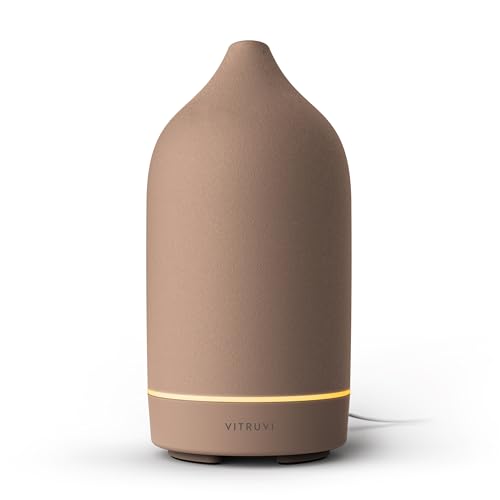
As an Amazon Associate we earn from qualifying purchases, at no cost to you.
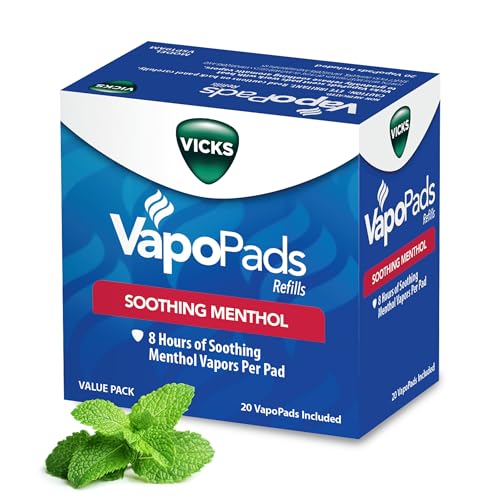
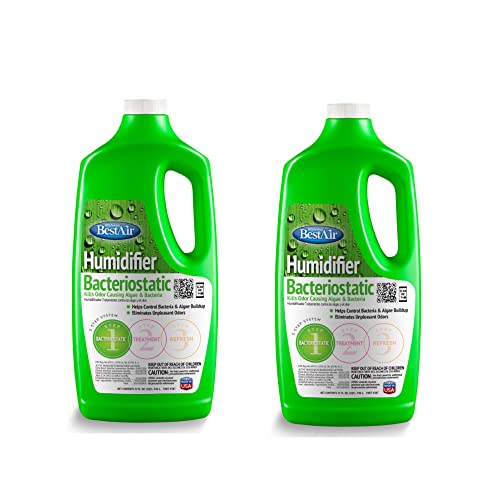
What you'll need
The six things that make a steam vaporizer or humidifier actually work for you: the medicated liquid and pads that turn steam into relief, the treatment and cleaning tools that keep the tank safe, and a meter so you know when the room is right. Prices are approximate at time of writing.




What steaming actually does, so the steps make sense
A facial steamer surrounds your face with warm water vapor. Two things happen as a result, and neither is exotic. First, the surface temperature of your skin rises, which softens sebum, the oily material that plugs pores, from a firm consistency toward a fluid one. Second, the outermost layer of skin takes on water and swells slightly, which loosens the dead keratin that binds a plug in place. The combined effect is that whatever you do immediately afterward, cleansing, a clay mask, a gentle exfoliant, a professional extraction, meets far less resistance than it would on dry, cool skin.
That is the entire mechanism, and understanding it settles most of the arguments online. It explains why steaming before cleansing is a waste (you are softening your makeup), why the benefit is temporary (skin cools and dries within minutes, which is why the moisturizing step is not optional), and why more is not better (past a point you are simply overheating and over-hydrating the barrier, which leaves skin flushed, tight and irritated rather than prepared).
Step one: cleanse first, and take makeup off properly
Steam onto a bare face. If you steam through makeup, sunscreen or the day's grime, you are warming and softening that layer and encouraging it further into the pores you are trying to clear, which is the exact opposite of the intended result. Use your normal cleanser, or a double cleanse if you wear long-wear makeup or heavy sunscreen, and pat the skin so it is damp rather than dripping.
Skip actives at this stage. Retinoids, alpha and beta hydroxy acids and benzoyl peroxide are all considerably more aggressive on warm, hydrated, permeable skin than on cool dry skin, and stacking them with steam is one of the most common ways people give themselves a chemical burn they blame on the steamer. If your routine includes an acid or a retinoid, put it well away from your steaming session, and if you are on a prescription topical, ask the prescriber where steam fits before you improvise.
Step two: distilled water, every single time
This is the rule that most affects whether your steamer is still working in two years. Tap water carries dissolved minerals. When water leaves the unit as vapor, those minerals stay behind, building up as scale in the heating chamber and around the nozzle. The first symptom is a plume that has quietly weakened; the last symptom is a unit that runs hot, sputters and gives up. Distilled water leaves essentially nothing behind, which is why every maker in this category recommends it and why we treat it as non-negotiable.
It is not an expensive habit. Distilled water is sold by the gallon in any supermarket, and a facial steamer's reservoir is small, so a jug lasts a long time. If you also run a humidifier, a vaporizer or a diffuser in the house, you are already having the same conversation with all of them: our piece on distilled versus tap water in a vaporizer works through the mineral chemistry in more detail, and the conclusion is the same everywhere.
Step three: distance, position and eyes closed
Set the unit on a stable surface at roughly chest height, never on your lap and never on the edge of a basin where a cable can drag it down. Sit so that the plume reaches your face as gentle warmth rather than heat. For most benchtop units that means around a hand's span or more between your face and the nozzle, and the exact figure matters less than the sensation: comfortably warm is right, hot is too close, and if it stings you are far too close.
Keep your eyes closed. There is no benefit to steaming open eyes and there is a genuine drying and irritation risk, particularly for contact lens wearers, who are better off taking lenses out first. Move your face slowly around the plume so the warmth reaches your cheeks, jaw and forehead rather than parking one spot in the stream. If you have long hair, tie it back so it does not sit in the vapor and drip.
Distance is the only volume control a facial steamer has. This is why we treat it as the most important variable on this page: no unit in this category lets you dial the plume down, so if it feels too intense, the answer is always to move back rather than to shorten the session and hope. That applies equally to the fine plume of a NanoSteamer Large 3-in-1 and to the warmer, wetter mist of a True Glow by Conair, which typically wants a slightly greater working distance because its droplets are coarser.
Step four: how long, and how often
How long: follow the duration your manufacturer specifies. Across this category the commonly suggested window falls somewhere between five and ten minutes, and if your unit's documentation gives a figure, that figure outranks anything on this page. If it gives none, start at the short end and judge by your skin: comfortably warm, slightly pink, not flushed. Skin that stays red for a long time afterward is telling you the session was too long, too close, or both.
How often: most makers in this category suggest once or twice a week, and that is a sensible default for normal skin. Oilier skin sometimes tolerates the upper end of that; dry, thin or reactive skin usually wants the lower end or less. What almost nobody benefits from is daily steaming, which tends to leave the barrier flushed and over-hydrated and undoes the point of the exercise.
Step five: what to do immediately afterwards
The window right after steaming is short, so have your next step already open on the counter. Pat, do not rub, the skin dry enough that it is damp rather than wet. If a clay or charcoal mask is part of your routine, this is the moment for it, because softened sebum makes a mask meaningfully more effective. If a gentle exfoliant is part of your routine, this is also the moment, and gentle is the operative word: warm, hydrated skin is more fragile, not less.
Then moisturize, on damp skin, without waiting. Steaming leaves the outermost layer holding water it will lose within minutes, and a moisturizer applied while the skin is still damp traps a good deal of it. Skipping this step is why some people report that steaming leaves them drier than before, which is a real effect and entirely avoidable.
On extraction, the honest version. Steam is genuinely useful before extraction, which is why every facial in every salon starts with it. It is also true that most people should not extract at home. Pressing metal loops or fingernails into inflamed skin is how you get broken capillaries, post-inflammatory marks, scarring and infections, and a softened plug does not make an untrained hand safe. If you have been shown proper technique, work only on non-inflamed comedones, with clean hands and clean tools, and stop the moment anything resists. If you have not been shown, the best use of every extraction tool in every steamer kit is to leave it in the box. That includes the ten-piece bundles sold alongside units like the NanoSteamer Clinical 10-in-1.
Step six: clean the unit, or it cleans you
Empty the reservoir after every session. Not most sessions, every session. A facial steamer is a small warm chamber, and a small warm chamber left holding standing water is an ideal environment for mold and bacteria to establish themselves in an appliance whose entire purpose is to blow vapor at your face. Tip it out, wipe the inside, and leave it open to dry.
Descale on a schedule. Every few uses, or whenever the plume seems weaker than it was, run a cycle with a mild white vinegar solution followed by two or three plain-water rinses, unless your manufacturer specifies a different method. Using distilled water reduces how often this is needed but does not eliminate it, because even good water leaves some residue over months. Wipe the nozzle, and wash any brush or accessory heads separately with soap and water rather than leaving them damp in a drawer.
Common mistakes, and the one that sends people to a dermatologist
Steaming too close. The most common error and the easiest to fix. If the plume is hot rather than warm, back away. Steam at close range can genuinely scald, and a face is a bad place to learn that.
Steaming too long or too often. Twenty minutes is not three times better than seven. Over-steamed skin looks flushed, feels tight and is more reactive to whatever comes next, which is why people sometimes conclude that a steamer "broke them out" when what happened is that they steamed for twenty minutes and then applied an acid.
Stacking actives onto warm skin. Retinoids, acids and benzoyl peroxide behave differently on warm, hydrated skin. Separate them from your steaming session.
Extracting untrained. The mistake with the most lasting consequences, covered above. Softened does not mean safe.
Putting things in the tank. Oils, serums and saline do not belong in a reservoir that was not designed for them, and no benefit justifies the risk to the appliance or to your eyes.
Buying more machine than the routine needs. A well-kept $22.88 steamer used correctly beats an expensive one used badly every time. If you want the version you will actually leave on the counter, the Vanity Planet Aira is the design answer, and the whole field is ranked in our best facial steamers guide.
How to use a facial steamer
- 1
Cleanse first, on a bare face
Remove makeup and sunscreen and wash with your usual cleanser before steaming, so the vapor works on skin rather than driving the day's residue further in. Leave actives such as retinoids and acids for a different session.
- 2
Fill the tank with distilled water only
Use distilled water, never tap, because dissolved minerals stay behind as scale and choke the plume over time. Do not add essential oils, serums or saline unless the manufacturer provides a dedicated cup or pad for them.
- 3
Set the unit up safely and sit back
Place the steamer on a stable surface at roughly chest height, never on your lap or a basin edge. Sit far enough back that the plume feels comfortably warm rather than hot, which for most units means about a hand's span or more.
- 4
Close your eyes and steam for the maker's stated time
Keep your eyes closed and move your face slowly through the plume so the warmth reaches cheeks, jaw and forehead. Steam for the duration your manufacturer specifies, commonly somewhere between five and ten minutes, and stop early if your skin flushes.
- 5
Extract only if you have been trained
Steam makes professional extraction easier, but pressing on inflamed skin with tools or fingernails causes scarring and infection. If nobody has taught you the technique, skip this step entirely and leave extraction to a professional.
- 6
Pat dry and moisturize while the skin is damp
Apply a mask or a gentle exfoliant now if your routine includes one, then moisturize before the skin dries, which locks in the water the session added. Skipping this is why some people find steaming leaves them drier.
- 7
Empty and dry the unit before you walk away
Tip out the reservoir after every session, wipe the inside and leave it open to dry. Descale every few uses with a mild white vinegar solution followed by plain-water rinses, unless your maker specifies another method.
- 8
Repeat once or twice a week, not daily
Most makers in this category suggest once or twice weekly. If you have sensitive skin, rosacea, eczema or a prescription topical routine, follow your dermatologist's guidance instead of a manufacturer's general figure.
Ready to buy? Start with our top picks
Whatever this guide steered you toward, here's where most readers land, ranked on verified output and value. Live price check on each.
As an Amazon Associate we earn from qualifying purchases, at no cost to you.
Key terms
- Nano-ionic steam
- A maker's term for vapor broken into finer droplets, sometimes given a slight electrical charge. The practical effect is a softer, more evenly spread plume that is comfortable at a working distance. It is a comfort and coverage improvement, not a different physical process.
- Working distance
- The gap between the nozzle and your face, and the only intensity control a facial steamer has. Comfortably warm is correct; hot means move back. For most benchtop units this lands around a hand's span or more.
- Extraction
- The manual removal of a pore's contents, normally with a loop tool or wrapped fingers. Steam makes it easier by softening the plug. It is a trained technique, and performing it on inflamed skin without training is a leading cause of home-skincare scarring.
- Scale
- The mineral residue left behind when tap water evaporates. It accumulates in a steamer's heating chamber and nozzle, narrows the steam path and weakens the plume long before the unit visibly fails. Distilled water is the prevention; a vinegar descale is the cure.
- Barrier
- The skin's outermost protective layer. Steam temporarily softens and hydrates it, which is what makes the following steps more effective and also what makes over-steaming counterproductive: a stressed barrier reads as tight, flushed and reactive skin.
Questions, answered
How long should you use a facial steamer for?
Follow the duration your manufacturer specifies. Across this category the commonly suggested window falls somewhere between five and ten minutes, and if your unit's documentation names a figure, use that figure rather than a general one. If it names none, start at the short end and read your skin: comfortably warm and slightly pink is right, and skin that stays red well after the session is telling you the session was too long, too close, or both. Duration matters less than distance, because a steamer has no volume control other than how far back you sit.
How often should you use a facial steamer?
Most makers in this category suggest once or twice a week, which is a sensible default for normal skin. Oilier skin sometimes handles the upper end of that comfortably, while dry, thin or reactive skin usually does better at the lower end or less often. Daily steaming is where people run into trouble: it leaves the barrier over-hydrated and flushed rather than prepared. If you have rosacea, eczema, active or medicated acne, or skin that flushes and stays flushed, follow your dermatologist's guidance instead of a manufacturer's general recommendation, because for some conditions heat is the wrong idea entirely.
Do you cleanse before or after using a facial steamer?
Before, and then again afterwards only if your routine calls for it. Steaming through makeup or sunscreen warms and softens that layer and encourages it further into the pores you are trying to clear, which defeats the purpose. Cleanse first so the vapor is working on bare skin. Afterwards, the useful sequence is to pat the skin damp, apply a mask or a gentle exfoliant if either is part of your routine, and then moisturize while the skin is still damp. Keep retinoids, acids and benzoyl peroxide well away from the session, because warm hydrated skin reacts to them much more strongly.
Can you use tap water in a facial steamer?
You can, and it will shorten the appliance's life. Tap water carries dissolved minerals, and when the water leaves as vapor those minerals stay behind as scale in the heating chamber and around the nozzle. The plume weakens gradually until the unit sputters or gives up. Distilled water leaves essentially nothing behind and costs very little by the gallon. Pair it with the second habit that matters just as much: empty the reservoir after every session and let the chamber dry, because warm standing water in a sealed plastic tank is exactly where mold and bacteria establish themselves.
Can you put essential oils in a facial steamer?
Not in the water tank, unless the manufacturer provides a dedicated aromatherapy cup or pad slot for them. Undiluted oils can attack seals and plastics, leave residue that bakes onto a heating element and void a warranty. More importantly, a concentrated aromatic vapor aimed directly at your face and eyes is an irritant rather than a luxury. If you want scent while you steam, run a diffuser in the same room. If your real goal is breathing something for congestion rather than skincare, use a device whose maker supplies a medicine cup or scent pad and follow that maker's directions.
Does a facial steamer help with blackheads?
It helps indirectly, by making the material in a pore softer and the surrounding skin more pliable, so that cleansing, a clay mask, a gentle exfoliant or a professional extraction meets less resistance. What it does not do is remove blackheads by itself, and it does not open pores, which have no mechanism for opening. The part where people go wrong is the next step: attacking softened skin with metal tools or fingernails is a leading cause of broken capillaries, lasting marks and infections. Steam, then be gentle, or steam and let a professional do the extraction.
Is it safe to use a facial steamer if I have rosacea or sensitive skin?
Ask your dermatologist first, and take the answer seriously. Heat is a recognized trigger for facial flushing in rosacea, and steam is heat delivered efficiently, so for some people this is straightforwardly the wrong tool. The same caution applies to active eczema, broken or sunburned skin, and prescription topical routines. Nothing about a facial steamer treats a skin condition; it is a cosmetic preparation step, and a preparation step is never worth an inflammatory flare. If you are cleared to use one, start with the shortest session at the greatest comfortable distance and stop at the first sign of stinging.
How do you clean a facial steamer?
Empty the reservoir after every single session, wipe the inside and leave the unit open to dry rather than closing it up wet. Every few uses, or as soon as the plume seems weaker than it was, run a descaling cycle with a mild white vinegar solution followed by two or three plain-water rinses, unless your manufacturer specifies a different method. Wash any brush or accessory heads separately with soap and water. Distilled water reduces how often descaling is necessary but does not remove the need to dry the unit out, because the problem with standing water is biological rather than mineral.
Filed under Explainer
Part of Facial Steamers
Keep reading
Best Facial Steamers (2026)
The ranked field, from the $22.88 entry point to the $119.00 hot and cold upgrade.
NanoSteamer Review
The $39.95 category default examined in full, including the Clinical 10-in-1 upsell.
How to Clean a Vaporizer
The descaling and drying discipline that keeps every steam device in the house safe.
Distilled vs Tap Water in a Vaporizer
Why mineral scale is the quiet killer of steamers, humidifiers and inhalers alike.